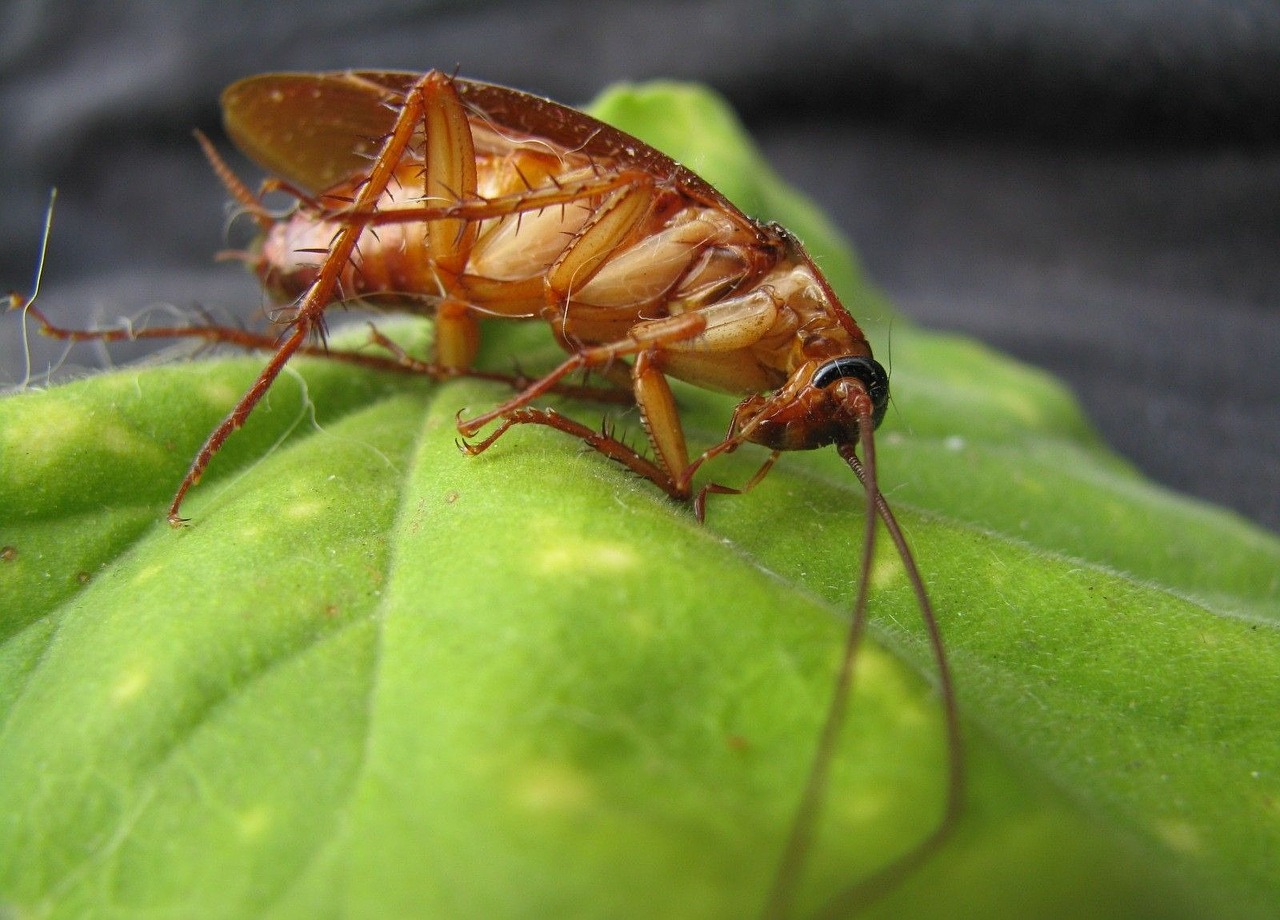
Cockroaches usually hide during the day and become more active after dark, so a daytime sighting is worth checking. It can happen when a hiding place is crowded, disturbed, too hot or dry, or recently treated. It can also be one outdoor cockroach that wandered inside. One roach in daylight does not automatically prove a severe infestation, but repeated daytime sightings are a stronger warning that the problem needs a closer look.
Start with the pattern: what the cockroach looked like, which room it crossed, where it went, and whether you have seen more than one. Those details are more useful than treating the clock as a population counter.
Are cockroaches supposed to come out during the day?
Most common indoor pest cockroaches spend daylight hours in sheltered cracks and crevices, then move around more after dark. The EPA's cockroach-behavior training module describes the typical pattern as hiding during the day and emerging at night to feed.
Typical does not mean absolute. A cockroach may move in daylight if its shelter becomes unfavorable or is disrupted. Cleaning, moving an appliance, opening a cabinet, repairing plumbing, or applying a pesticide can send an insect across an exposed surface. A roach that has eaten bait may also behave differently from a healthy, undisturbed insect.
That is why one daytime sighting is evidence to investigate, not a verdict. Repeated sightings, multiple sizes of roaches, egg cases, droppings, or trap catches make an indoor population more likely.
Does a daytime cockroach mean you have a bad infestation?
Not by itself. Daylight activity can happen when a large population has filled the best hiding spaces, but that is only one explanation. An EPA integrated pest-management guide notes that a daylight sighting can reflect a high population that has overrun available shelter or a recently arrived cockroach looking for a place to hide.
Use the sighting with the rest of the evidence:
- More concerning: you see roaches during the day on several dates, find adults and small wingless nymphs, spot egg cases or dark specks in sheltered areas, or catch roaches on traps in more than one room.
- Still worth monitoring: one roach appears after an appliance is moved, a cabinet is emptied, plumbing work is done, or a nearby unit is treated.
- Possibly an accidental visitor: a single larger roach appears near an exterior door, drain, garage, firewood, or porch after wet weather, with no other indoor evidence.
None of those clues identifies the species by itself. A clear photo or captured specimen can change the whole plan, because an outdoor wood cockroach that cannot establish indoors is a different problem from German cockroaches reproducing in a kitchen.
Why might a cockroach leave its hiding place early?
Several changes can push a cockroach into view:
- Crowded shelter: A growing population can put pressure on the limited cracks and voids that provide darkness, warmth, and contact with nearby surfaces.
- Disturbance: Vacuuming, deep cleaning, renovations, appliance movement, vibration, or opening a long-closed storage area can flush a hidden insect into the room.
- Treatment nearby: Sprays, dusts, baits, or treatment in an adjoining apartment may change movement. A sighting soon after treatment is not enough to decide whether control is succeeding or failing.
- Changing moisture or temperature: A leak repair, drying cabinet, hot appliance area, or other shift can make one harborage less useful and send roaches looking elsewhere.
- Accidental entry: Larger outdoor species may enter through doors, windows, drains, utility gaps, packages, or firewood without forming an indoor breeding population.
The reason matters because the useful response is different. More spray in the middle of the floor will not fix a plumbing gap, a damp cabinet, a shared-wall route, or an untreated hiding place behind an appliance.
What should you check after a daytime sighting?
First, note where the cockroach ran. Roaches often head toward a nearby edge, opening, appliance, or cabinet seam. Do not dismantle an appliance or reach into an electrical space. Use a flashlight and inspect the safe, accessible area around it.
- Photograph the insect if you can. Include something for scale. Body size, markings, wings, and the location can help with identification.
- Check nearby shelter. Look along cabinet corners, pipe openings, wall-floor edges, drawer tracks, and accessible spaces beside the refrigerator, stove, dishwasher, or water heater.
- Look for supporting evidence. Dark spotting, shed skins, egg cases, dead insects, and different life stages are more informative than one moving roach.
- Inspect food and water sources. Check for leaks, condensation, grease, crumbs, pet food, recycling residue, and trash near the sighting.
- Place numbered sticky traps. Put them tight against edges near suspected activity, where children and pets cannot reach them. Record the date and check the same traps daily for several days.
Our guide to where cockroaches hide in a kitchen gives you a room-by-room starting point without turning the cabinets into a weekend demolition project.
Could it be a cockroach that lives outdoors?
Yes. Not every cockroach indoors is part of an indoor infestation. Wood cockroaches normally live outdoors in damp leaf litter, loose bark, wood piles, and similar habitat. Male wood cockroaches can fly and may be attracted to lights.
Penn State Extension's wood-cockroach guide explains that these accidental invaders do not feed or reproduce indoors and usually die from dehydration. Exclusion is generally more useful than indoor pesticide treatment for that situation.
Do not rely on size or color alone to make that call. German, American, Oriental, smoky-brown, and wood cockroaches have different habits, and immature insects can look different from adults. If you keep seeing roaches, save a specimen in a sealed container or get a clear photo for identification.
What can you do right now?
- Clean reachable crumbs, grease, and spills, including the hidden edges beside appliances.
- Store pantry food and pet food in closed, durable containers.
- Empty trash and rinse recycling that contains food residue.
- Repair accessible leaks and dry wet sink or cabinet areas.
- Reduce corrugated cardboard and paper clutter near the activity.
- Seal obvious exterior gaps and add a sound door sweep where appropriate, but do not seal an interior route before you understand where the insects are coming from.
- Use sticky traps to measure the pattern instead of judging the problem from one dramatic sprint across the floor.
If you use a pesticide, follow the label exactly. Do not spray food-contact surfaces, outlets, or appliance interiors. Foggers and broad room sprays can add exposure without reaching the cracks where cockroaches spend most of their time.
When is a cockroach inspection worthwhile?
Arrange a closer inspection when daytime sightings repeat, traps catch roaches in several places, you find nymphs or egg cases, activity crosses multiple rooms or apartment units, or the likely shelter is inside a wall or appliance void you cannot inspect safely.
A professional inspection should connect the sightings to the species, hiding areas, food and moisture conditions, and possible routes between rooms or units. Thrive's Nashville cockroach-control service explains that inspection-first approach. Homeowners north of Nashville can also review pest control in Hendersonville for local service information.
If the sightings keep happening and your traps are not explaining the source, Thrive can help you work out what is moving, where it is hiding, and what the sensible next step looks like. Bring the photos and trap locations; those clues genuinely help.
The useful takeaway
Cockroaches are usually more active at night, so seeing one during the day deserves attention. It may point to crowded shelter, disturbance, treatment, changing conditions, or an accidental outdoor invader. Do not grade the entire infestation from one sighting. Identify the insect, inspect the nearby hiding places, add sticky monitors, remove food and moisture, and watch whether the evidence repeats.
Need help beyond the article?
If the signs around your property match what you are reading, you can review the related service or call Thrive with the details you have.