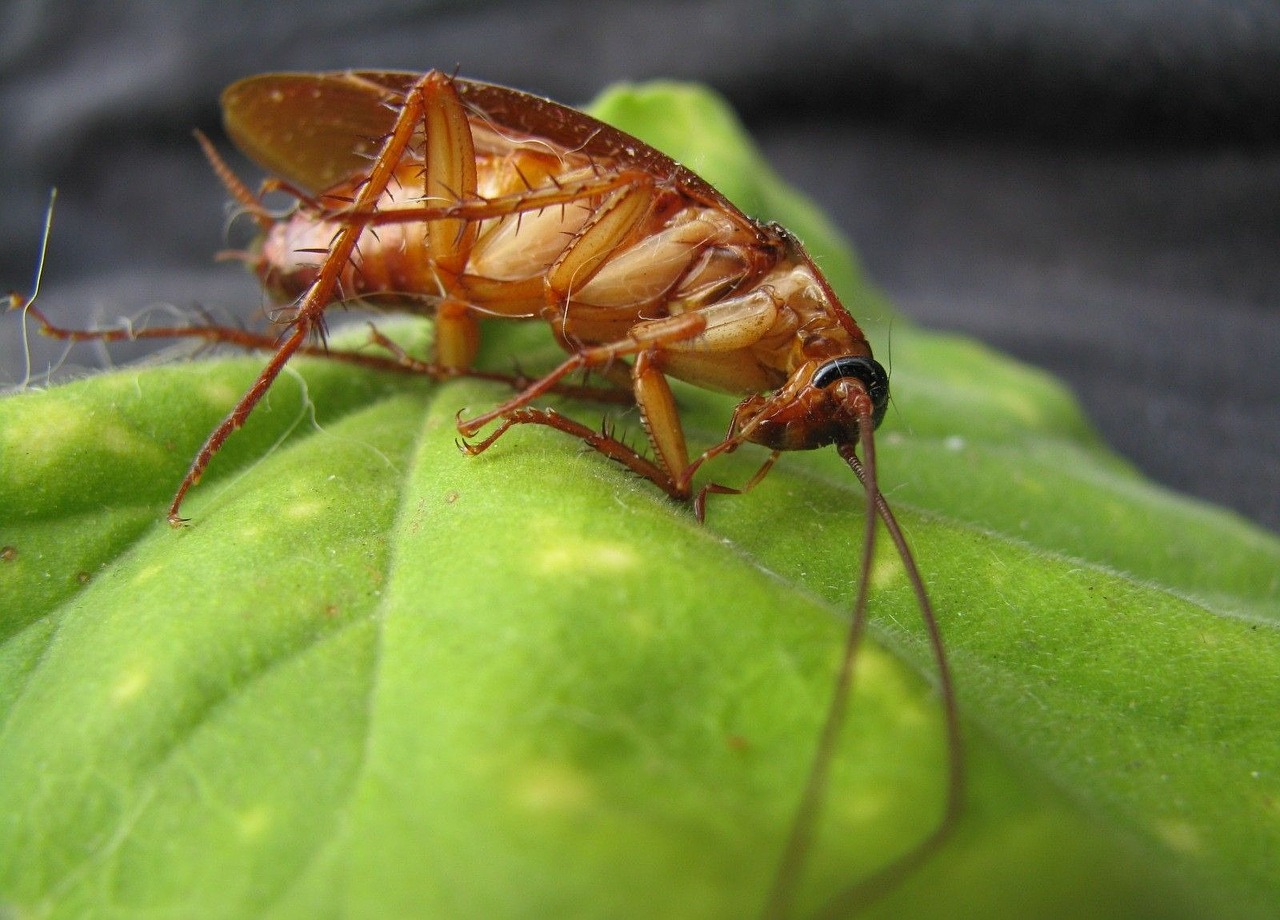
Cockroaches in a kitchen usually hide in tight, dark spaces near food, water, and warmth. Start behind the refrigerator and stove, beneath the sink, inside cabinet gaps, around plumbing openings, and near small appliances. You are looking for a pattern—not an excuse to pull every cabinet off the wall before breakfast.
A single roach crossing the floor does not tell you exactly where it came from. A flashlight inspection and a few well-placed sticky traps can show whether activity is concentrated around one appliance, a damp sink cabinet, a wall opening, or several parts of the room.
Where should you look first?
Begin with the places that give cockroaches shelter plus easy access to crumbs, grease, condensation, or plumbing moisture:
- Behind and beneath the refrigerator: Check the wall edge, floor junction, drip pan area, and accessible spaces near the motor without opening electrical components.
- Beside the stove and dishwasher: Grease and crumbs collect in narrow gaps, while warmth and moisture can make these areas useful shelter.
- Under the kitchen sink: Inspect around pipe penetrations, cabinet seams, stored bags, and any leak or condensation.
- Inside lower cabinets and drawers: Look along back corners, shelf-pin holes, drawer tracks, and the gap beneath a false cabinet bottom.
- Near countertop appliances: Toasters, coffee makers, microwaves, and similar appliances can provide warmth and nearby food residue. Unplug an appliance before cleaning around it, and do not spray pesticide into it.
- Pantries, trash, and recycling areas: Check cardboard, paper bags, pet-food storage, loose shelf liner, and the wall-floor edge behind containers.
The University of California Statewide IPM Program recommends checking cracks, the undersides of counters, the areas around water heaters, and other dark hiding spots. It also explains that different cockroach species use buildings differently, so identification matters before choosing a control plan.
What signs can reveal a hiding place?
Live cockroaches are useful evidence, but they are not the only clue. Watch for dark specks or smears, shed skins, egg cases, dead cockroaches, and repeat nighttime activity along the same edge. Use a flashlight to check underneath counters and appliances rather than reaching blindly into a narrow space.
German cockroaches are commonly associated with kitchens, bathrooms, and pantries and hide in cracks during the day, according to Penn State Extension’s urban pest guide. Larger outdoor species can also wander inside. A clear photo or a trapped specimen can help separate an indoor breeding problem from an occasional invader.
How do sticky traps help?
Sticky traps do not solve an infestation by themselves, but they can turn a vague “somewhere in the kitchen” problem into a map. Place them flat against wall edges, inside lower cabinets, and behind appliances where children and pets cannot disturb them. Number each trap and write down the date.
Check them daily for several days. Compare locations instead of counting only the grand total. Several captures behind the refrigerator tell you more than one trap tossed into the middle of the room. Keep traps away from wet areas and follow the product instructions.
Why can a clean kitchen still have cockroaches?
Cockroaches do not grade your housekeeping. They need very small amounts of food and water, and they can arrive in cardboard, grocery bags, used appliances, shared walls, or openings around pipes and doors. Cleaning helps remove resources, but a roach sighting is not proof that somebody has failed at keeping house.
The practical goal is to remove what you can and find what cleaning alone cannot fix. Wipe grease and crumbs from hidden edges, store food and pet food in sealed containers, empty trash regularly, repair leaks, dry the sink area overnight, and reduce unnecessary cardboard. Then look for gaps around pipes, cabinets, baseboards, and exterior doors.
What should you avoid doing?
- Do not use a fogger or bug bomb in the kitchen. UC IPM warns that these products can be hazardous and may scatter cockroaches without eliminating the problem.
- Do not spray countertops, food-contact surfaces, outlets, or appliance interiors.
- Do not mix products or use more than the label directs.
- Do not seal every suspected gap before you understand the activity; monitoring first can help you avoid losing the trail.
- Do not assume one dead roach means the problem is finished. Keep checking the same locations for a change in activity.
If you use any pesticide product, read and follow its label. Baits must be placed where cockroaches are likely to encounter them, and competing food and moisture can make control less effective. Keep all products away from children and pets.
When is a professional inspection worthwhile?
Consider an inspection when traps keep catching cockroaches, you see different life stages, daytime sightings become frequent, activity spans several rooms, or the main hiding area is inside an inaccessible wall or appliance void. Those patterns suggest that wiping the counter and sealing one gap may not reach the source.
Our Nashville cockroach-control page explains what an inspection looks for and how treatment fits with sanitation, moisture correction, and exclusion. Homeowners in Williamson County can also review pest control in Brentwood for local service information.
A useful next step tonight
Do one careful flashlight pass, clean the reachable food and moisture sources, and place numbered sticky traps along a few likely wall edges. Recheck the traps in the same order for several days. The pattern will help you decide whether a small correction is working or whether the kitchen needs a closer inspection.
If you are still finding cockroaches and cannot locate the source, Thrive can help you work out what is happening and what to do next. Contact Thrive Pest Control when you are ready; bring your photos and trap locations, because those details are genuinely useful.
Frequently asked questions
Do cockroaches usually hide in kitchen drains?
Some cockroaches use damp plumbing areas, but a sighting near a sink does not prove the drain is the source. Check the cabinet, pipe gaps, leaks, wall edges, and nearby appliances before drawing that conclusion.
Can cockroaches hide inside appliances?
Yes. Tight, warm spaces in or around appliances can provide shelter. Unplug movable appliances before inspecting or cleaning around them, and do not open electrical components or apply sprays inside an appliance.
Where should sticky traps go in a kitchen?
Put traps against wall edges, behind large appliances, inside lower cabinets, and near suspected food or water sources. Use several numbered traps so you can compare activity by location.
Will cleaning alone get rid of cockroaches?
Cleaning removes food and some hiding material, which supports control, but it may not reach cockroaches in cracks, wall voids, shared-building routes, or appliance spaces. Monitoring, exclusion, moisture repair, and targeted treatment may also be needed.
Need help beyond the article?
If the signs around your property match what you are reading, you can review the related service or call Thrive with the details you have.