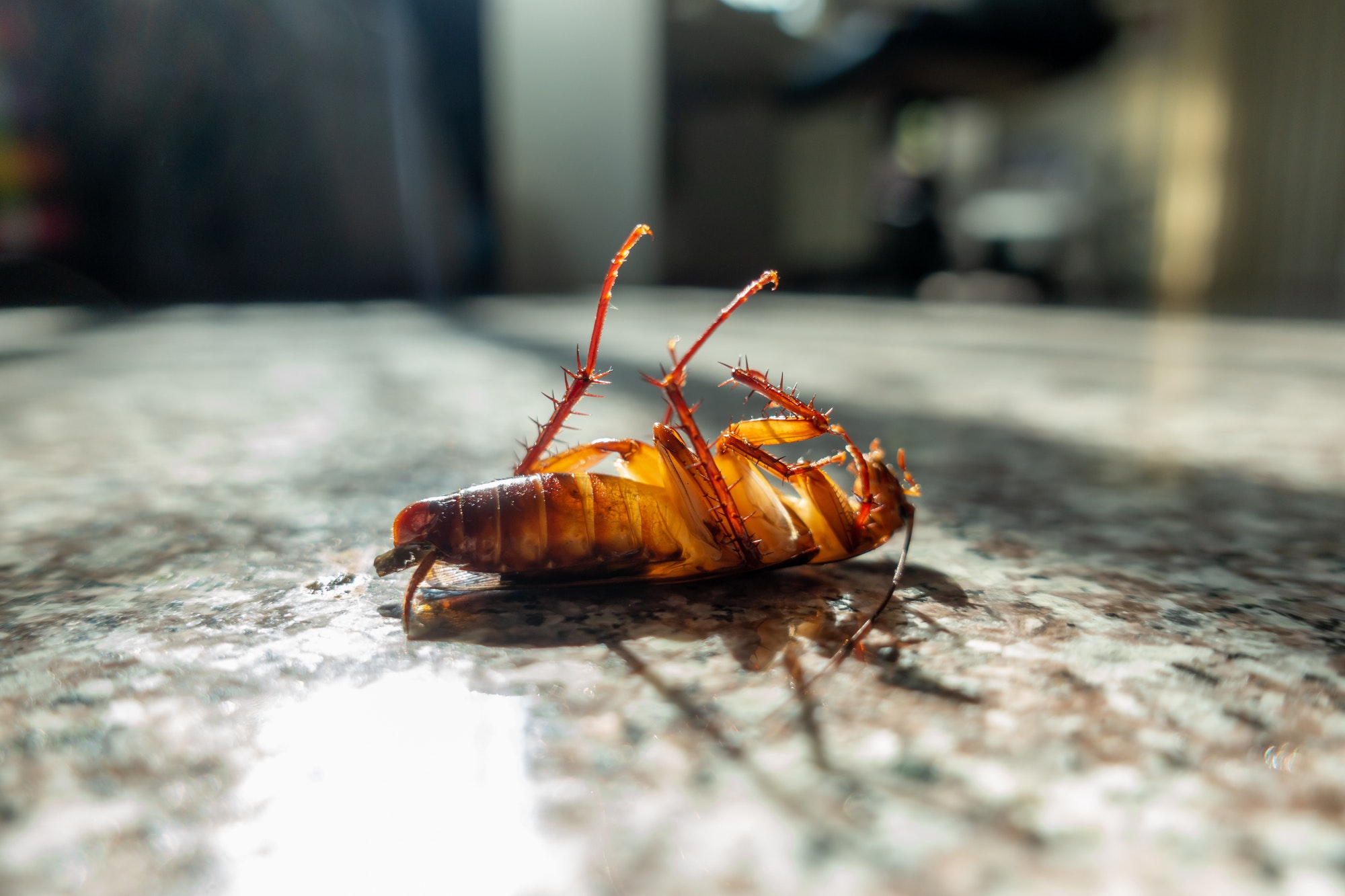
You found a few dark marks behind the toaster or under the sink. Are they cockroach droppings or mouse droppings? Start with the pattern: cockroach evidence often appears as scattered specks, stains, or small material close to tight hiding places, while mouse droppings are more likely to be separate, rice-grain-scale pellets along a travel route.
That is a useful first clue, not a guaranteed identification. Small roach droppings can be mistaken for coffee grounds or pepper. Larger cockroaches can leave material that looks more pellet-like. Old debris, seeds, fly spots, and other pest signs can muddy the picture too. The location and the other evidence nearby matter as much as shape.
What is the quickest way to tell them apart?
Look at three things before you touch anything: whether the marks are separate pellets or fine spotting, where they are concentrated, and what other signs share the area. A single mystery speck is not much of a witness. A repeatable pattern is more useful.
- Cockroach clues: pepper-like specks, dark spotting or smears near cabinet seams, appliance voids, hinges, plumbing penetrations, and other narrow harborages.
- Mouse clues: individual pellets along walls, inside drawers, behind stored goods, or near shredded nesting material, gnawing, and food damage.
- Unclear clues: mixed sizes, crumbling material, marks without a pattern, or evidence in an area shared by several pests.
The University of California’s Integrated Pest Management program identifies cockroach fecal material and egg cases as infestation evidence. The University of Minnesota Extension also recommends confirming cockroaches with sticky traps placed tight against edges near cupboards, refrigerators, stoves, and sinks. That extra evidence is far more useful than guessing from one mark.
What do cockroach droppings look like?
Cockroach evidence varies with the species, size, diet, and surface. With smaller indoor roaches, you may notice dark specks or staining where the insects repeatedly hide or travel. The marks often collect in sheltered edges rather than appearing as a neat line across an open floor.
Check cabinet corners, drawer tracks, the space beneath a sink, motor compartments and gaps around appliances, wall-floor edges, and openings around pipes. Cockroaches tend to hide in cracks and crevices during the day. The University of Minnesota Extension cockroach guide recommends using sticky traps against edges and near cupboards, refrigerators, stoves, and sinks to confirm activity.
Do not confuse a dark, bean-shaped cockroach egg case with droppings. Egg cases, cast skins, live or dead insects, and repeated trap catches all strengthen the identification. If you can safely capture an insect or take a clear photo, that is much better evidence than a blurry picture of a black dot.
What do mouse droppings look like?
Mouse droppings usually appear as individual dark pellets. People often compare their scale to grains of rice, but size alone does not identify the animal. Other small animals can leave similar material, and old droppings can dry, fade, or break apart.
Look for a trail of related clues: gnawed food packages, nesting paper or insulation, rub marks along a wall, scratching in a cabinet or ceiling, and small access gaps. Pellets inside a silverware drawer point to a different inspection path than spotting packed into the hinge of the cabinet below it.
If the evidence suggests rodents, avoid handling or testing it with your fingers. You do not need to squeeze a dropping to solve the mystery. That is one household experiment we can retire.
Does the location help identify the pest?
Yes. Location does not prove the answer, but it can narrow the next inspection.
- Behind a refrigerator or stove: either pest is possible. Look for fine spotting in crevices, separate pellets along edges, gnawing, grease, or trap activity.
- Inside a high cabinet or drawer: inspect hinges, corners, food packaging, and openings around utilities. Photograph the full pattern before cleaning.
- Across an attic or garage edge: separate pellets plus nesting or gnawing are more consistent with a rodent route than isolated cockroach spotting.
- Near a damp sink or pipe: check both the tight harborage around plumbing and any larger wall gap that could allow mouse travel.
Cockroaches commonly use warm, protected cracks near food and moisture. Mice use edges and cover as travel routes and may leave evidence between a feeding spot and a hidden nesting area. Map every location instead of treating all dark marks as one pile.
Can you identify fresh activity by color?
Color is not a dependable do-it-yourself clock. Fresh animal droppings may look darker or shinier and older material may become dull or gray, but humidity, cleaning products, diet, lighting, and the surface can change what you see. Do not use appearance to decide that suspected rodent waste is safe to sweep.
A better activity check is to photograph the area after it has been cleaned safely, add dated sticky monitors for suspected cockroaches, and note whether new evidence appears. Keep monitors where children and pets cannot reach them and follow their label directions.
How should you clean up suspected droppings?
First decide whether mouse droppings are reasonably possible. The cleanup methods are different enough that this distinction matters.
For suspected rodent urine, droppings, or nesting material, follow the CDC’s current rodent cleanup steps. Do not sweep or vacuum the dry material. Ventilate enclosed spaces as directed, wear rubber or plastic gloves, wet the material thoroughly with an appropriate disinfectant, observe the product’s contact time, wipe it up, dispose of it, and wash your hands. Heavy contamination, ventilation systems, and inaccessible spaces need additional precautions or professional help.
For confirmed cockroach debris, the EPA’s integrated pest-management guidance describes HEPA-filtered vacuuming as one option for collecting cockroaches, egg cases, and droppings while limiting airborne allergens. That advice does not apply to suspected rodent waste. When the identification is uncertain, use the more cautious rodent-cleanup path or pause and get the evidence identified first.
What should you inspect after cleanup?
Cleanup removes evidence; it does not remove the reason it appeared. Once the area is safe, inspect the surrounding conditions.
- Seal food in durable containers and remove crumbs and spills.
- Repair leaks and dry damp cabinet or appliance areas.
- Move corrugated cardboard and paper clutter away from likely cockroach harborages.
- Check pipe, cable, door, and foundation gaps without sealing an opening that may trap an animal inside.
- Place sticky monitors along edges for suspected cockroaches and record the date and location.
- Keep a simple map of new pellets, gnawing, sounds, sightings, or trap activity.
If the evidence points toward roaches, review Thrive’s Nashville cockroach control service. If you find separate pellets, gnawing, or nesting material, the rodent-control guide is the better next path. Hendersonville homeowners can also start with the local Hendersonville pest-control guide.
When is professional identification worth it?
Ask for help when new evidence returns after cleanup, you cannot inspect the likely hiding place safely, droppings cover a large area, contamination reaches insulation or air ducts, or the clues point in two directions. A pest professional can connect the marks to insects, traps, entry routes, and property conditions instead of making the whole diagnosis from one pellet.
Thrive can help inspect recurring cockroach or rodent evidence around Nashville-area homes. Save clear photos, note every location, and tell the team what you have already cleaned or treated. If the clues are still unclear, describe what you found before moving boxes or applying a roomful of spray.
The useful takeaway
Cockroach droppings often show up as specks, staining, or small debris near tight harborages. Mouse droppings are more often separate pellets found along travel, feeding, or nesting routes. Neither clue is perfect by itself. Photograph the pattern, look for insects, egg cases, gnawing, nesting material, or trap catches, and use the CDC rodent-cleanup precautions whenever mouse waste may be involved.
Frequently asked questions
Do cockroach droppings look like mouse droppings?
They can overlap, especially when a larger cockroach leaves pellet-like material. Fine spotting near cracks favors cockroach activity; separate pellets plus gnawing or nesting clues favor mice. Get the pattern identified when the evidence is mixed.
Can I vacuum mystery droppings?
Not if they may be from a mouse or rat. CDC guidance says not to sweep or vacuum dry rodent urine, droppings, or nesting material. Wet and disinfect suspected rodent waste using the agency’s current steps.
Does one dropping mean I have an infestation?
No. One mark may be old or may not be a dropping at all. Photograph it, inspect nearby edges and food, and monitor for repeat evidence before jumping to a conclusion.
Should I spray the area before I know the pest?
Avoid broad, impulsive pesticide use. Identification determines the useful treatment. Clean contamination safely, preserve a photo or specimen when practical, and follow every product label.
Need help beyond the article?
If the signs around your property match what you are reading, you can review the related service or call Thrive with the details you have.