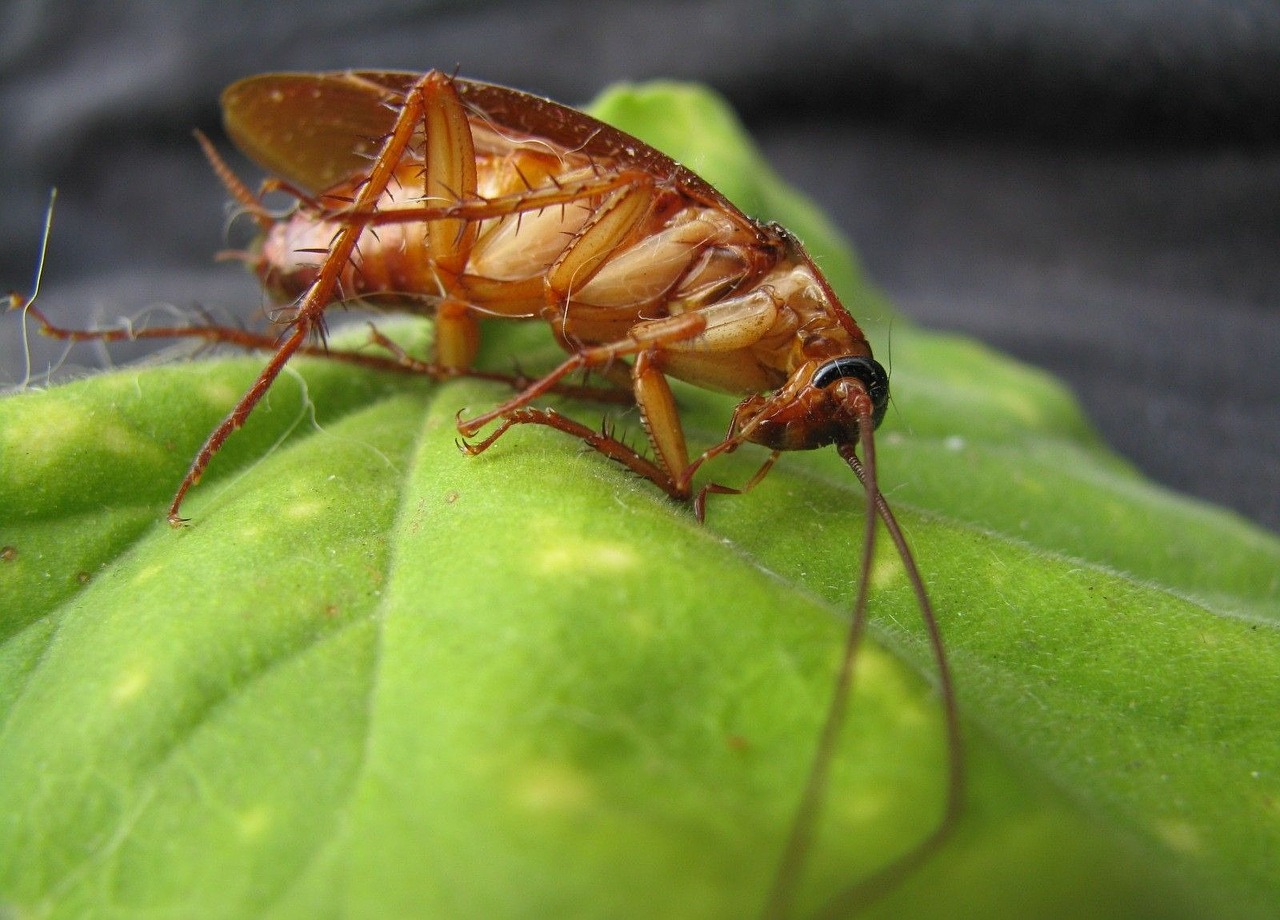
Finding a cockroach in your bathroom is unsettling, especially when you keep a clean home. But here's the thing: bathrooms attract roaches for reasons that have nothing to do with how often you scrub the tile.
Cockroaches need three things to survive — moisture, warmth, and darkness. Your bathroom delivers all three, 24 hours a day. Let's break down why they're there and what you can do about it.
Why Cockroaches Are Attracted to Bathrooms
Your bathroom is essentially a cockroach oasis. Every time you take a shower, moisture collects on surfaces and lingers for hours. Condensation forms on pipes under the sink. Small puddles sit in the shower pan or around the base of the toilet.
Cockroaches also find plenty of food in bathrooms that most people overlook. Soap residue, toothpaste, shed skin cells, and even the glue on cardboard toilet paper rolls are all fair game. These aren't gourmet meals, but cockroaches don't need much.
Bathrooms also tend to be dark and warm, especially behind toilets, under vanities, and inside cabinets. Those hidden spaces give cockroaches exactly the kind of shelter they prefer.
What Type of Cockroach Is in My Bathroom?
The species matters, because it tells you how serious the problem is and where they're coming from.
German cockroaches are the most common indoor species. They're small (about half an inch), light brown with two dark stripes behind the head, and they reproduce fast. If you're seeing German cockroaches, they're almost certainly nesting inside your home.
American cockroaches are the big ones — up to two inches long, reddish-brown, and often called "palmetto bugs" or "water bugs." They typically live in sewer systems and come up through drains or enter through gaps around plumbing.
Oriental cockroaches are dark, almost black, and strongly prefer damp areas. They're commonly found in basements and bathrooms, especially in older homes with moisture issues.
If you're seeing baby cockroaches — tiny, wingless versions of the adults — that's a sign of an active nest nearby. Baby roaches don't wander far from where they hatched.
How Are Cockroaches Getting Into My Bathroom?
Cockroaches don't need much of an opening. Here are the most common entry points in bathrooms.
Drain pipes. American cockroaches live in sewer systems and can travel through drain pipes, especially floor drains that don't have water traps or where the trap has dried out.
Gaps around plumbing penetrations. Every pipe that passes through a wall or floor creates a potential entry point. If there's even a small gap between the pipe and the surrounding material, cockroaches can squeeze through.
Under bathroom doors. The gap under a bathroom door is more than enough space for most cockroach species to pass through.
From adjacent units. In apartments, townhomes, and duplexes, cockroaches travel between units through shared wall voids and plumbing chases.
In Nashville's older homes, especially in neighborhoods like Brentwood and Hendersonville, we frequently find roaches entering through deteriorating pipe seals. As homes age, the caulk and seals around plumbing degrade, creating easy access points.
How to Keep Cockroaches Out of Your Bathroom
You can make your bathroom far less hospitable to cockroaches with a few targeted changes.
Fix leaky faucets and pipes immediately. Even a slow drip provides a reliable water source. Cockroaches can survive weeks without food, but they need water every few days.
Use drain covers or screens. Simple mesh screens over drains prevent cockroaches from crawling up through pipes. Make sure floor drains stay filled with water to maintain the P-trap seal.
Seal gaps around pipes with caulk. Inspect every point where a pipe passes through a wall or floor. Fill gaps with silicone caulk or expanding foam.
Run the bathroom fan to reduce humidity. Run the exhaust fan during and for 20 minutes after every shower. Lower humidity makes the bathroom less attractive to roaches.
Remove standing water. Check shower caddies, soap dishes, and the area around the tub for pooling water. Wipe down wet surfaces after showering.
Keep drains clean. Pour a mixture of baking soda and vinegar down drains monthly to break up organic buildup that cockroaches feed on.
DIY vs. Professional Cockroach Treatment
If you've seen a single American cockroach once, it may have wandered in from outside. In that case, sealing entry points and keeping the bathroom dry may be enough.
But if you're seeing multiple roaches, seeing them during the day, or finding baby cockroaches, you're dealing with an established population that needs professional treatment.
Professional cockroach treatment typically involves gel baits placed in strategic locations, insect growth regulators (IGRs) that prevent juveniles from reproducing, and perimeter treatments that create a barrier around your home.
Thrive's cockroach extermination service covers Nashville and all surrounding communities, including Murfreesboro. If cockroaches in your bathroom have become a recurring problem, give us a call for a free inspection.
Frequently Asked Questions
Can cockroaches come up through the toilet?
It's possible but uncommon. American cockroaches that live in sewer systems can occasionally make their way through toilet plumbing, especially if the toilet isn't used frequently and the water level drops. Keeping toilets flushed regularly helps prevent this.
Does one cockroach mean there are more?
Not always, but often. A single American cockroach may have wandered in from outside. But German cockroaches are social insects that nest in groups, so seeing one usually means there are more nearby.
Are cockroaches in the bathroom a sign of dirty pipes?
Not necessarily. Cockroaches are attracted to moisture and organic buildup in drains, which occurs naturally over time even in clean homes. Regular drain maintenance helps, but the presence of roaches is more about access points and moisture than cleanliness.
Need help beyond the article?
If the signs around your property match what you are reading, you can review the related service or call Thrive with the details you have.