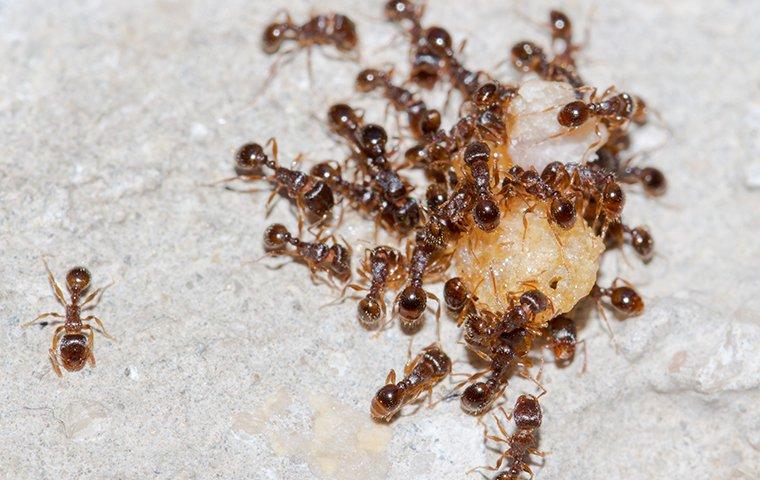
Ants keep showing up in a bathroom because the room can give them water, a travel route, or both. A dripping shutoff valve, damp cabinet, gap around a pipe, or trail along the baseboard can turn a bathroom into a convenient stop even when the room is clean.
That does not automatically mean an ant colony is living behind the mirror. It does mean the ants found something useful and left a trail that other workers can follow. Your best first move is to watch where that trail begins, check for moisture, and deal with the access point instead of spraying the ants you can see and calling it a day.
Why are ants attracted to a bathroom?
Water is the obvious draw, but it is not the only one. Ants may enter through a plumbing opening, follow pipes or wiring through a wall, or wander in while scouting for food and shelter. The University of California Statewide IPM Program recommends monitoring moist areas and inspecting under sinks, along pipes, and around cracks where ants can enter.
Common bathroom clues include:
- Condensation or a slow leak under the sink
- Water collecting around the tub, shower, toilet, or window
- Gaps where supply lines, drains, cables, or trim pass through a wall
- A trail that follows the edge of a vanity, baseboard, or pipe
- Sweet residue from toiletries, medicine, a trash bin, or a nearby room
- Moisture-damaged wood around a window, floor, or cabinet
The trail tells you where ants are traveling, not necessarily where the nest is. Follow it as far as you safely can before wiping it away. That two-minute detective job is more useful than treating the middle of the line and losing the map.
Does seeing ants mean the bathroom is dirty?
No. Ants can enter a spotless bathroom if they find moisture or a usable opening. Cleaning helps remove residue and trail cues, but cleanliness alone cannot repair a leaking pipe or seal a gap around it.
If the ants are clustered around one damp spot, dry the area and look for the source. If they follow a steady line to a wall opening, inspect the matching area on the other side of that wall and outside the home when accessible. Do not open walls, move plumbing, or reach into electrical spaces just to chase the trail.
A practical bathroom-ant inspection
Start with a flashlight and work around the room in a simple loop:
- Watch before cleaning. Note the direction of travel and take a photo if the trail disappears into a gap.
- Look under the sink. Feel for dampness around supply valves, the drain trap, cabinet seams, and anything stored on the cabinet floor.
- Check the wet edges. Look around the tub, shower door, toilet base, window trim, and bath mat for recurring moisture.
- Inspect entry routes. Check pipe penetrations, baseboards, door trim, and cracks where ants appear or disappear.
- Look beyond the bathroom. Follow the shared wall into the hall, closet, garage, crawl space, or exterior only where you can do so safely.
Also note when the ants appear. A few scouts after a weather change are different from a dense trail returning to the same wet cabinet every morning. The pattern helps an inspector decide where to look first.
What can you do about bathroom ants today?
Fix the conditions you can confirm. Repair a leak, dry recurring condensation, empty a damp trash bin, and seal an obvious nonmoving gap after you understand how the ants are using it. Trim plants touching the house and check the exterior side of the bathroom for cracks or utility openings.
For the visible trail, the UC IPM guidance says vacuuming or wiping ants with soapy water can temporarily remove workers and their scent trail. That is useful cleanup, but it does not eliminate a colony somewhere else.
If you use an ant bait, choose a product labeled for the ant and the placement you have in mind. Follow the label, keep it away from children and pets, and do not spray insecticide on or beside the bait. Ant baits depend on workers carrying the material back toward the colony, so they are not instant. Species and food preferences also matter; a bait the ants ignore is mostly a tiny piece of bathroom decor.
Should you seal the crack right away?
Seal straightforward exterior and trim gaps once you have observed the route and addressed the moisture source. Caulk can help exclude ants, but sealing one interior opening while active ants are using a wall void may simply move the visible trail to another crack.
If ants are pouring from an electrical outlet, a wall stays damp, or the opening connects to plumbing you cannot inspect, stop short of a DIY demolition project. Deal with the leak or building repair through the appropriate trade and get the ants identified before choosing a pest-control method.
When should bathroom ants get a closer look?
Identification becomes worthwhile when the trail keeps returning after moisture and access corrections, when ants appear in several rooms, or when you see large ants around damp or damaged wood. The University of Minnesota Extension notes that some ants nest in moisture-damaged wood and that winged ants emerging indoors can indicate an indoor nest.
Those signs do not prove you have carpenter ants or structural damage. Ant size, color, and location can be misleading, and termites are a separate identification problem. Save a clear photo or an intact specimen rather than guessing from something that was flattened with a tissue.
A professional inspection can connect the species, trail, moisture, and likely nesting area before treatment. Our Nashville ant-control service starts with the activity you are actually seeing, and Thrive also serves homeowners looking for pest control in Lebanon.
The short version
Bathroom ants are usually using water, access, or a trail—not grading your housekeeping. Watch where they travel, fix confirmed moisture, clean the trail, and close practical entry gaps. If the same activity returns or points into a damp wall, identification is the next sensible step.
If you have worked through those checks and the ants keep coming back, contact Thrive Pest Control and tell us where the trail begins, when it appears, and what you have already tried. We can help you work out what deserves attention next.
Frequently asked questions
Why do ants appear around the bathroom sink?
A sink area can provide moisture from a leak or condensation, residue from toiletries, and openings around pipes. Watch the trail, inspect the cabinet, and fix any confirmed water source before deciding how to manage the ants.
Will cleaning the bathroom get rid of the ants?
Cleaning can remove residue and disrupt the visible trail, but it will not fix a leak, seal an entry point, or eliminate a colony elsewhere. Pair cleanup with moisture correction and exclusion.
Can ants come through a bathroom drain?
Ants may appear near a drain because that area is damp, but their actual route may be a gap around the plumbing rather than the drain opening itself. Follow the trail before assuming it came through the pipe.
Should I spray ants in the bathroom?
A spray may kill visible workers without reaching the colony. If you choose any pesticide, use only a product labeled for that location and pest, follow the label, and do not spray near ant bait.
Need help beyond the article?
If the signs around your property match what you are reading, you can review the related service or call Thrive with the details you have.