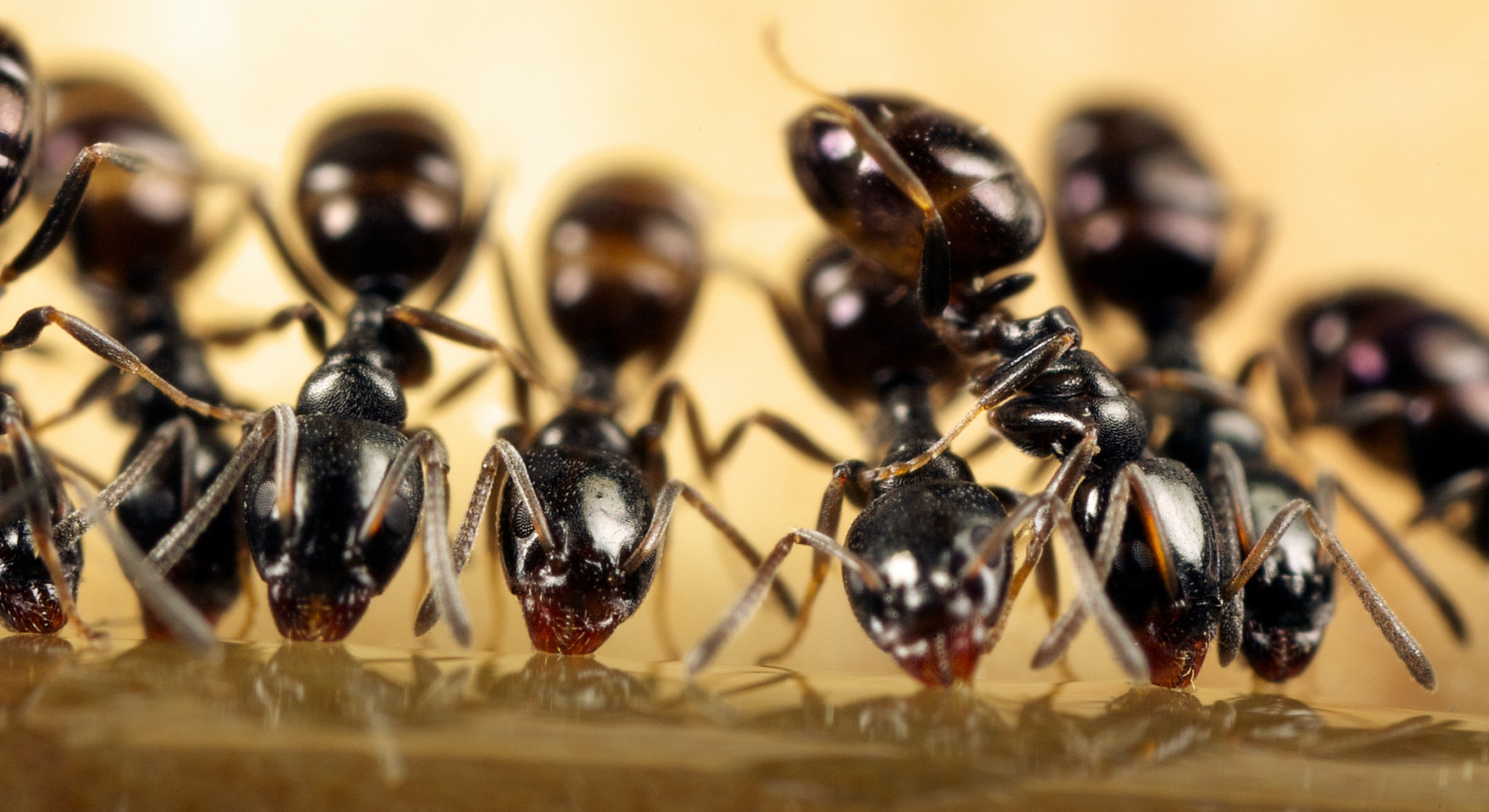
Ant problems often spike right after heavy rain because water disrupts outdoor nests and forces worker ants to look for drier, more stable shelter. Kitchens give them exactly what they need: moisture, food residue, and easy entry points around doors, windows, plumbing lines, and foundations.
That is why many homeowners suddenly notice trails along countertops, sinks, dishwashers, or pantry shelves after a storm. The rain does not create the colony, but it exposes weak points in the home and pushes foraging ants into the rooms where food and water are easiest to reach.
Why kitchens become the first target
Ants follow scent trails, and kitchens are full of them. A few crumbs under an appliance, sticky spots near a trash can, or standing water around a sink can turn a temporary search path into a repeat invasion. If the activity keeps coming back, professional ant control in Nashville is usually the fastest way to stop the colony instead of chasing visible trails one room at a time.
- Wipe up food residue on counters, floors, and cabinet edges.
- Seal dry goods and pet food instead of leaving them in open bags or boxes.
- Check for moisture around sinks, dishwashers, and refrigerator water lines.
- Inspect door sweeps, window frames, and utility penetrations for small entry gaps.
When the problem is bigger than one rainstorm
Rain-driven ant activity can fade for a day or two, then return because the colony is still established near the home. When ants keep showing up after every storm, the real issue is usually an exterior nest, hidden interior access point, or both. A broader residential pest control plan can help shut down recurring entry patterns before the infestation spreads deeper into the house.
Homes across the region, including those relying on Murfreesboro pest control service, run into the same pattern when weather pressure exposes a nest that had gone unnoticed. If ants keep showing up in your kitchen after rain, it is time to stop treating the symptom and eliminate the source.
Need help beyond the article?
If the signs around your property match what you are reading, you can review the related service or call Thrive with the details you have.