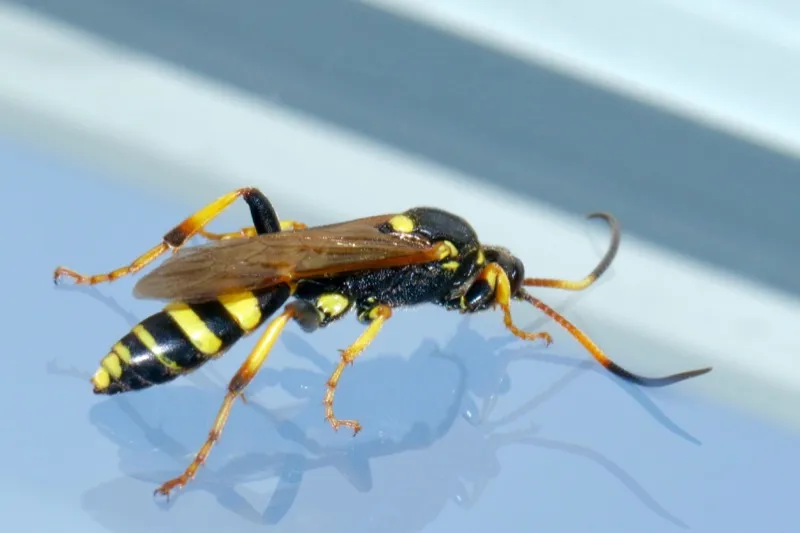
Ground-nesting yellow jackets are easy to miss until someone gets too close. In many Nashville-area yards, the first sign is sudden wasp traffic near a hole in the soil, the edge of a flower bed, or a patch of mulch that seemed harmless the day before.
That is what makes these nests risky. Yellow jackets do not need a large visible hive hanging from the roofline. They often use abandoned rodent holes, gaps along retaining walls, and sheltered openings around landscaping where people step, mow, or weed without realizing a colony is active underneath.
What ground-nest activity usually looks like
Most homeowners notice a repeated flight path before they notice the nest itself. You may see several yellow jackets dropping into the same opening, circling low over one section of the yard, or getting more aggressive when the lawn mower, trimmer, or sprinkler disturbs the area. If that pattern is happening, a yellow jacket exterminator in Nashville is the safer move than trying to treat the hole with a store-bought aerosol.
These nests are especially common in dry, protected ground near patios, fence lines, play areas, and foundation beds. Because the entry point can be small, homeowners often underestimate how large the colony is until the insects respond all at once.
Warning signs that the nest is established
- Steady wasp traffic entering and exiting one spot in the soil.
- Sudden stinging pressure during mowing, edging, or yard cleanup.
- Increased yellow jacket activity around deck lines, mulch beds, or retaining walls.
- Aggressive swarming when pets or people cross one part of the yard.
If the insects are spreading beyond one nest area, broader wasp removal in Nashville may be the better fit because nearby eaves, sheds, and fencing can also become active nesting zones during the same stretch of warm weather.
When to stop watching and schedule removal
Once yellow jackets claim a ground cavity, the problem rarely stays small. Homes across the region, including properties that rely on Mt. Juliet pest control service, see the same pattern when a hidden nest gets enough time to grow through the season.
If you want a second reference point on behavior and safe next steps, read our guide to getting rid of wasps and yellow jackets. If you are seeing repeated flight traffic into the soil, block off the area and schedule removal before someone triggers the nest at close range.
Need help beyond the article?
If the signs around your property match what you are reading, you can review the related service or call Thrive with the details you have.