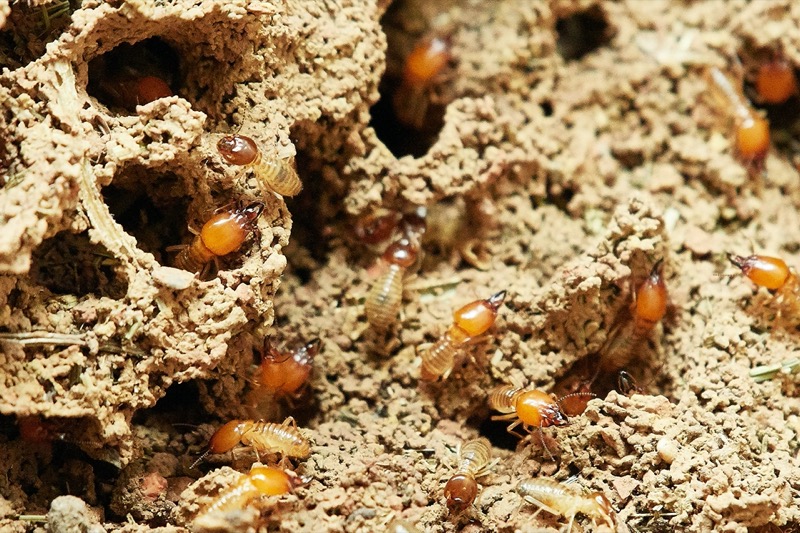
If somebody involved in your home sale asks for a termite letter, they are usually asking for a wood-destroying insect inspection report. The nickname makes it sound like a one-paragraph note that says, ‘No termites here.’ The actual report is more specific—and more limited—than that.
An inspector checks the readily accessible parts of the structure for visible evidence of termites and certain other wood-destroying insects. The report records what was visible on the inspection date, points out areas the inspector could not reach, and may recommend treatment or further evaluation.
That last part matters. A termite letter is not a crystal ball, a structural engineering report, or a forever guarantee. It is a snapshot based on a professional visual inspection. Useful? Absolutely. Magic? Not quite.
What does “termite letter” actually mean?
In Tennessee real estate conversations, “termite letter” is casual shorthand. The formal document is generally called a Wood Destroying Insect Inspection Report, often shortened to a WDI report.
The standard NPMA-33 inspection form published by HUD covers visible evidence involving wood-destroying insects such as termites, carpenter ants, carpenter bees, and reinfesting wood-boring beetles. It is broader than a quick termite-only glance.
According to the Tennessee Department of Agriculture’s licensing guidance, these reports may only be issued by firms chartered to provide wood-destroying-organism treatments. So this is not a document your neighbor, handyman, or general home inspector can casually type up after looking around the crawl space.
What the inspection report covers
The inspector looks at readily accessible areas of the structure and reports visible evidence. Depending on the house and access, that can include parts of the foundation, exterior, basement, crawl space, attic, garage, porch, and main living level.
The report may document:
- Live wood-destroying insects
- Dead insects or insect parts
- Termite shelter tubes, sometimes called mud tubes
- Frass, exit holes, or staining associated with wood-destroying insects
- Visible wood damage
- Areas that were obstructed or inaccessible
- Recommended treatment or other next steps
If the inspector finds visible damage, that does not automatically tell you how badly a beam, joist, or other building component has been weakened. The standard form specifically separates pest findings from structural evaluation. When structural damage is a concern, bring in the right construction or engineering professional.
What a termite letter does not promise
A clear report means the inspector did not observe reportable visible evidence in the areas inspected on that day. It does not prove that termites have never touched the property. It also cannot rule out activity hidden inside walls, behind insulation, under floor coverings, or in another inaccessible spot.
Common access problems include stored belongings, low crawl spaces, standing water, insulation, fixed wall coverings, cabinets, dense vegetation, and unsafe conditions. Those limitations should appear on the report. Do not skip over that section just because the first page looks clean.
The Tennessee Department of Agriculture’s consumer guidance says a WDI report issued with a sale or transfer of real estate carries a 90-day warranty for the accuracy of the report’s representations. That is not the same thing as a promise against concealed or future infestation. Think of the 90 days as a defined window tied to what the inspection represented, not a termite force field around the house.
Is a termite letter required for every Tennessee home sale?
Not necessarily. The answer can depend on the purchase contract, lender, loan program, appraisal findings, and the people handling the closing.
For example, the Department of Veterans Affairs lists Tennessee among the states where wood-destroying insect information is required for VA home loans. Other loan types and conventional transactions can have different requirements.
Ask the lender or closing professional these questions early:
- Is a WDI inspection report required for this transaction?
- Which form will the lender accept?
- How close to closing must the inspection occur?
- Which structures on the property need to be inspected?
- Who is responsible for ordering and paying for the inspection?
- What happens if the report notes activity, damage, or inaccessible areas?
Get the answer from the people handling your actual transaction. Real estate rules, loan requirements, and contract deadlines are not a great place for a “my cousin said” strategy.
How long is a termite letter good for in Tennessee?
People often answer this with “90 days,” but it helps to understand what that number means. Tennessee’s consumer guidance describes a 90-day warranty of the report’s representations for a WDI report connected to a real estate transfer. The standard NPMA-33 form also tells users to pay attention to the report date and transaction timing.
Your lender or contract may set a shorter practical deadline. If closing gets delayed, ask whether the existing inspection is still acceptable before assuming you are covered. It is much easier to sort that out a week ahead of time than at the closing table with everybody staring at the clock.
How to prepare the home for a WDI inspection
The goal is simple: give the inspector safe, reasonable access to the places where wood-destroying insects leave evidence.
- Clear the crawl-space and attic entrances.
- Move stored boxes away from accessible foundation walls.
- Unlock garages, sheds, and other structures included in the inspection.
- Trim dense vegetation away from the foundation where practical.
- Tell the inspector about prior termite treatments, repairs, warranties, or known activity.
- Gather old inspection reports and treatment records if you have them.
- Fix unsafe access problems before inspection day rather than asking the inspector to improvise.
Do not cover or scrub away something suspicious right before the inspection. If you find tubes, damaged wood, discarded wings, or other possible termite signs, leave the evidence alone and point it out.
What happens if the inspector finds termite evidence?
First: do not panic. A finding is information, not a declaration that the house is about to fold itself into the crawl space.
The report should describe the visible evidence and its location. It may recommend termite treatment, correction of moisture or wood-to-soil conditions, repair evaluation, or another inspection after an inaccessible area is opened.
The buyer, seller, agents, and lender can then use the report alongside the purchase contract to decide what needs to happen before closing. Pest treatment and structural repair are two different jobs. A pest professional addresses the insects; a qualified building professional determines the extent and method of structural repair when needed.
Can you check for termites yourself first?
You can absolutely look for warning signs before paying for an inspection. Check exposed foundation areas, crawl-space piers, sill plates, stored wood, and other accessible spots for mud tubes, damaged wood, or piles of discarded wings. Our guide to termite prevention around Nashville homes explains the moisture and access conditions worth watching.
But your own walkthrough is not a substitute for a transaction report. Termite evidence can be subtle, old evidence can look active, and some areas are easy to miss. You also cannot issue your own WDI paperwork for a lender. That would be convenient, but so would printing your own driver’s license.
A quick checklist for buyers and sellers
If you are buying:
- Confirm the lender’s exact requirement and deadline.
- Read the inaccessible-area section, not just the findings box.
- Ask for prior termite contracts and treatment records.
- Get clarification on any damage or treatment recommendation.
- Keep a copy of the full report and attachments.
If you are selling:
- Make the inspection areas accessible.
- Disclose known history through the proper real estate process.
- Provide treatment and warranty records you still have.
- Leave suspicious evidence in place for the inspector.
- Build time into the schedule in case treatment or repair evaluation is needed.
Need help with termites in Middle Tennessee?
If you are dealing with visible termite signs, getting ready to sell, or trying to understand what kind of inspection your transaction needs, call Thrive with the details. Tell us what the lender or closing professional requested, the property location, and the deadline. We can explain the termite services available for the home and help you figure out the sensible next step.
Thrive serves Nashville and surrounding Middle Tennessee communities, including homeowners looking for pest control in Murfreesboro. Contact Thrive Pest Control or call (615) 777-3944. If the answer is something you can handle yourself, we will tell you. If it needs a closer look, we are here for that too.
Frequently asked questions
Is a termite letter the same as a home inspection?
No. A general home inspection covers many building systems. A WDI report focuses on visible evidence of wood-destroying insects in accessible areas. One does not automatically replace the other.
Does a clear termite letter mean the house has no termites?
It means no reportable visible evidence was observed in the inspected, accessible areas on the inspection date. Hidden or future activity is still possible.
Can a regular home inspector issue the letter?
Not just by being a home inspector. Tennessee says WDI reports may only be issued by firms properly chartered for wood-destroying-organism work.
Does the report include structural repair advice?
No. It may identify visible damage, but the standard report is not a structural integrity assessment. Use a qualified building or engineering professional when the extent of damage or repairs must be determined.
Should I order the report before I know whether my lender requires it?
Ask the lender or closing professional first. That prevents timing problems, the wrong form, or an inspection that does not cover every structure the transaction requires.
Need help beyond the article?
If the signs around your property match what you are reading, you can review the related service or call Thrive with the details you have.