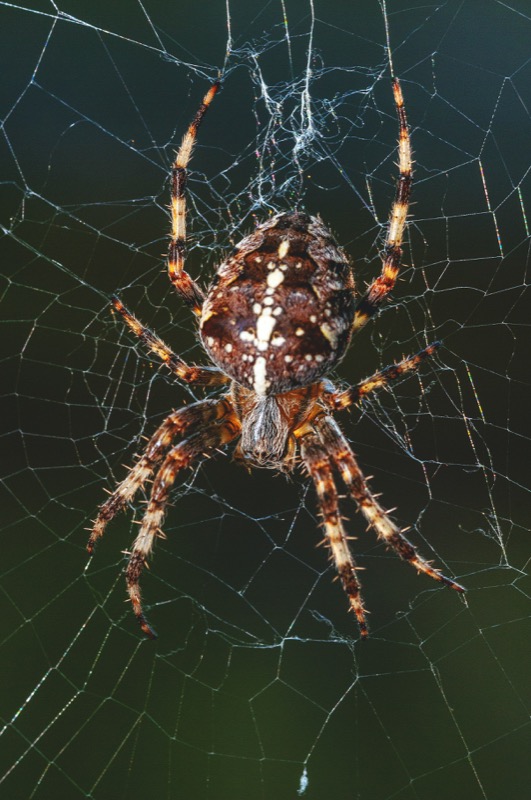
Basements are prime spider habitat. They're dark, damp, and usually undisturbed for weeks at a time. If you've been finding webs in the corners, egg sacs tucked behind storage boxes, or spiders scurrying across the floor when you flip on the light, you're not alone.
The good news is that most basement spiders are harmless. The bad news is that a few species common to Middle Tennessee can pose real risks. Here's how to take back your basement.
Why Do Spiders Love Basements?
Spiders don't move into your basement because your house is dirty. They move in because your basement offers everything they need to survive.
First, there's darkness. Most spiders are nocturnal creatures that prefer low-light environments. A basement with limited foot traffic gives them exactly that.
Second, there's moisture. Basements tend to be more humid than the rest of the house, especially if they're partially below grade. That humidity attracts the insects spiders feed on, which brings us to the third factor: food.
If your basement has crickets, silverfish, or other small insects, spiders will follow. They're opportunistic predators, and they'll set up shop wherever the hunting is good.
Finally, cracks in the foundation, gaps around utility pipes, and unsealed basement windows give spiders easy entry points. Once they're inside, they rarely leave on their own.
What Types of Spiders Are Common in Basements?
Not all basement spiders are created equal. Here are the ones we see most often in Nashville and Middle Tennessee.
Brown recluse spiders are one of the most concerning species we encounter. They prefer dark, undisturbed areas like basements, crawlspaces, and closets. A brown recluse bite can cause serious tissue damage, so identification matters. Look for a violin-shaped marking on the back of the head.
Wolf spiders are large, fast-moving hunters that don't build webs. Instead, they chase down prey on the ground. They're intimidating to find in your basement, but they're not dangerous to humans. If you're seeing them regularly, our wolf spider exterminator team can help. You can also learn more about how to deal with wolf spiders.
Common house spiders are the ones building messy cobwebs in every corner. They're harmless and actually help control other insects, but nobody wants their basement draped in webs.
Daddy long legs (cellar spiders) are another frequent basement resident. They build loose, irregular webs and are completely harmless to humans. Learn more in our guide to everything you need to know about daddy long legs.
In Middle Tennessee, brown recluse spiders are particularly common in basements and crawlspaces. If you're not sure what you're dealing with, it's always worth getting an identification before you dismiss it as harmless.
7 Ways to Keep Spiders Out of Your Basement
You don't have to live with spiders in your basement. These steps will make your basement far less appealing to them.
1. Seal cracks and gaps in your foundation. Walk the perimeter of your basement and look for any opening larger than a quarter inch. Use caulk or expanding foam to seal gaps around pipes, wires, and where the foundation meets the frame.
2. Reduce moisture with a dehumidifier. Keeping your basement humidity below 50% makes it less attractive to both spiders and the insects they eat. A good dehumidifier pays for itself in pest prevention.
3. Remove clutter and cardboard boxes. Spiders love hiding behind and under stored items, especially cardboard boxes. Switch to plastic bins with tight-fitting lids and keep them off the floor.
4. Switch to yellow exterior lighting. Standard white lights attract flying insects to your home, which in turn attract spiders. Yellow or sodium vapor bulbs are far less attractive to insects.
5. Apply natural deterrents. Peppermint oil, vinegar, and cedar chips can help repel spiders from specific areas. They won't solve an infestation, but they can discourage spiders from settling in certain spots.
6. Clear webs regularly. Removing webs forces spiders to rebuild, which costs them energy. If you clear webs consistently, many spiders will relocate to a less disruptive location.
7. Treat the perimeter with professional pest control. A professional perimeter treatment targets both spiders and their food sources. This is the most effective long-term solution, especially for recurring problems.
When Should You Call a Professional?
DIY methods work well for occasional house spiders. But there are situations where professional treatment is the right call.
If you're finding brown recluse or black widow spiders, don't try to handle the problem yourself. Both species can deliver medically significant bites, and their populations can be larger than what you see on the surface.
If you've tried sealing entry points and reducing moisture but spiders keep coming back, there's likely a larger population nearby that needs targeted treatment.
And if you're finding egg sacs, act quickly. A single egg sac can contain hundreds of baby spiders. That's an imminent population boom you want to get ahead of.
Our spider removal team serves Nashville and surrounding areas including Brentwood, Mt. Juliet, and Franklin. If you're dealing with persistent spiders in your basement, give us a call for a free inspection.
How Thrive Treats Spider Infestations
When we treat a basement for spiders, we start with a thorough inspection. We identify the species, locate entry points, and look for egg sacs and nesting areas.
For general spider problems, we apply interior and exterior perimeter treatments that create a barrier spiders won't cross. For brown recluse infestations, we use targeted treatments that reach the dark, hidden areas where they nest.
We also offer quarterly prevention plans that keep spiders and other pests from returning. Regular treatments are far more effective than waiting for a problem to develop and then reacting.
Frequently Asked Questions
Do spiders come up through basement drains?
It's rare. Most spiders enter through cracks in the foundation, gaps around pipes, or open windows. However, some spiders can survive brief water exposure, so keeping drain covers in place is still a good idea.
Are basement spiders dangerous?
Most basement spiders are harmless. The exceptions in Middle Tennessee are brown recluse spiders and, less commonly, black widows. If you're unsure about a spider in your basement, snap a photo and contact a pest control professional for identification.
How often should I spray for spiders?
For ongoing prevention, quarterly treatments are the most effective approach. If you're dealing with an active infestation, your pest control provider may recommend more frequent treatments initially until the population is under control.
Need help beyond the article?
If the signs around your property match what you are reading, you can review the related service or call Thrive with the details you have.