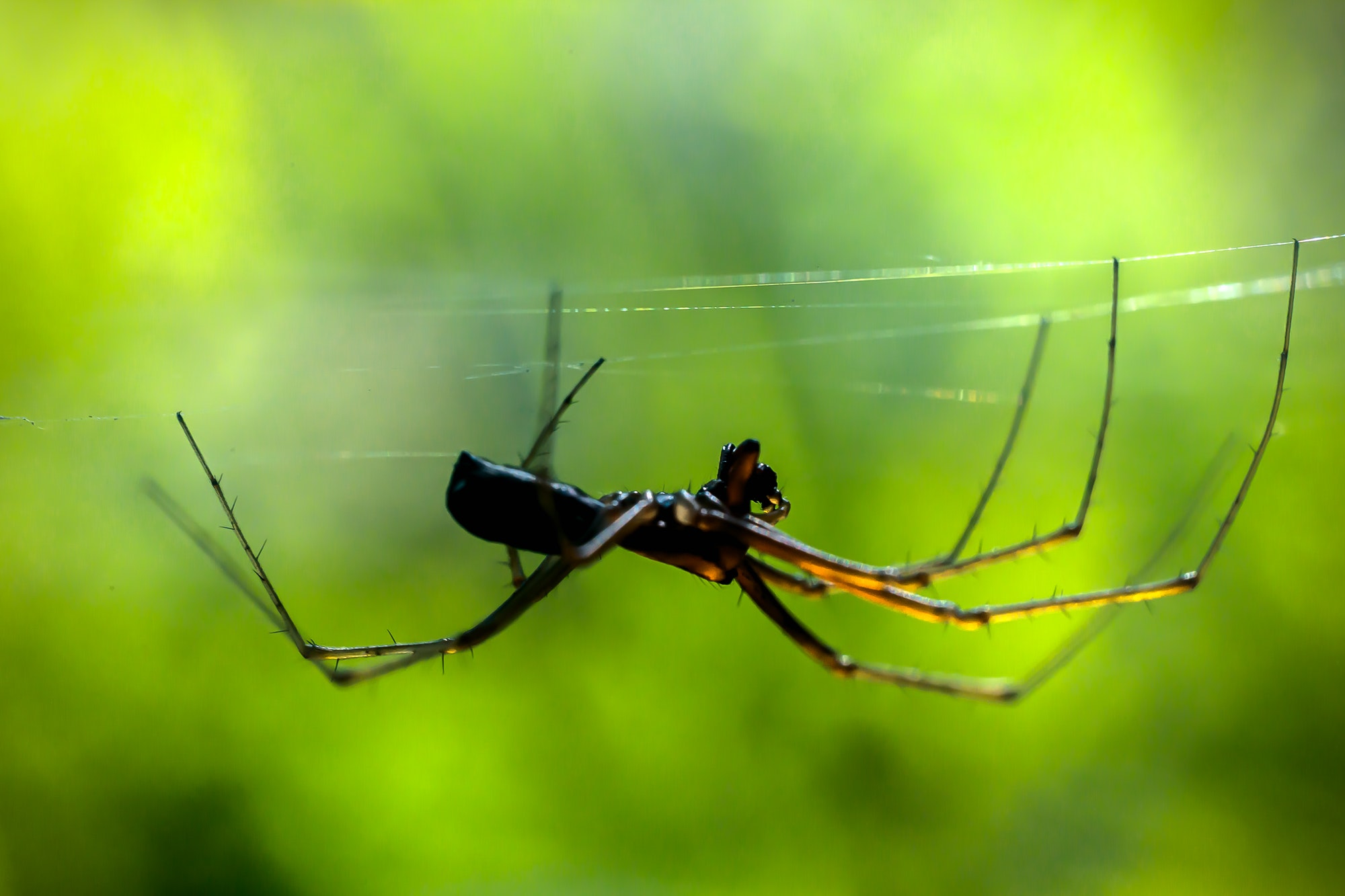
You hear scratching in the walls at 2am. You flip on the kitchen light and something scurries under the fridge. You step into the bathroom and a spider freezes on the wall.
Most household pests are nocturnal, which means the bugs you see during the day are just a fraction of what's active in your home after dark. Here's what's moving through your house at night and what you can do about it.
Why Are Most Pests Nocturnal?
Being active at night gives pests several survival advantages. There are fewer predators, including the biggest one — you. The house is quieter, with less vibration and disturbance. Temperatures are cooler, and humidity is often higher, which many insects prefer.
Nocturnal behavior is also an evolutionary strategy. Pests that are active when humans are asleep are less likely to be detected and killed. Over thousands of generations, this has made nighttime activity the default for most common household pests.
Cockroaches
Cockroaches are one of the most common nocturnal pests, and they're most active between midnight and dawn. They spend the day hiding in dark, tight spaces — behind appliances, under sinks, inside wall voids — and emerge to forage for food and water when the lights go out.
If you see a cockroach during the day, pay attention. Daytime sightings usually mean the population is large enough that some individuals are being pushed out of hiding spots by overcrowding. That's not a good sign.
German cockroaches and American cockroaches have slightly different nighttime behaviors. German cockroaches tend to stay close to their nesting area (usually the kitchen or bathroom), while American cockroaches range more widely and may travel through multiple rooms.
In Nashville homes, cockroaches are the number one nocturnal pest we treat. A professional cockroach exterminator can target the hiding spots where roaches spend their days. Learn more about identifying baby cockroaches, which are a sign of active nesting.
Spiders
Many spider species are nocturnal hunters, and their nighttime activity varies by species.
Web-building spiders like cellar spiders and orb weavers repair and rebuild their webs at night. Some orb weavers actually take their webs down at dawn and rebuild them each evening.
Hunting spiders like wolf spiders don't build webs at all. They patrol floors and walls at night, chasing down prey. If you've ever walked to the bathroom at night and seen a large spider sprinting across the floor, it was probably a wolf spider on the hunt.
Brown recluse spiders are especially active at night. They leave their hiding spots to hunt and can cover significant distances inside a home. This is when accidental bites are most likely to occur — when a brown recluse wanders into shoes, clothing, or bedding left on the floor.
You can learn more about spider nighttime behavior in our article on whether spiders are nocturnal. If you're dealing with spiders in your home, our spider removal service and brown recluse removal team can help. We also have a guide on wolf spider extermination.
Mice and Rats
Mice and rats are most active from dusk to dawn. If you hear scratching, scurrying, or gnawing sounds in your walls or ceiling at night, rodents are the most likely cause.
Mice tend to follow the same paths every night, running along walls and baseboards where they feel protected. Over time, these repeated trips leave grease marks and droppings that reveal their routes.
Rats are bolder than mice but equally nocturnal. They're more cautious about new objects in their environment, which is why snap traps often need to be left in place for several days before rats will approach them.
If you hear noises in your walls at night in your Nashville home, mice are the most likely culprit. Professional mice removal addresses both the current population and the entry points they're using.
Bed Bugs
Bed bugs feed almost exclusively at night. They're attracted to the carbon dioxide you exhale while sleeping, and their peak feeding time is between 1am and 5am.
During the day, bed bugs hide in mattress seams, box spring crevices, headboard joints, and other tight spaces near the bed. They can also hide behind baseboards, in electrical outlets, and in furniture joints further from the bed as infestations grow.
Learn more about their hiding behavior in our guide to where bed bugs hide in the home. If you suspect bed bugs, our bed bug service can confirm and treat the infestation.
Ants
While many ant species are active during the day, carpenter ants are primarily nocturnal foragers. This matters because carpenter ants are also the ones that cause structural damage.
Carpenter ants excavate wood to create nesting galleries. They push sawdust-like material (called frass) out of small holes, but because they're most active at night, the damage often goes unnoticed until it's significant.
If you're hearing faint rustling sounds inside walls at night, carpenter ants could be the cause. A carpenter ant exterminator can locate and treat the nest before structural damage becomes extensive.
Termites
Subterranean termites work around the clock, but their reproductive swarms happen at dusk. If you see winged termites emerging from your walls or foundation in the evening, that's a swarming event — and it means an established colony has been feeding on your home's wood structure.
A termite exterminator should inspect your home immediately if you witness a swarm.
Mosquitoes
Most mosquito species are most active at dawn and dusk. This is when they're most likely to bite. Some species, like the Asian tiger mosquito, also bite during the day, especially in shaded areas.
If mosquitoes are biting you in your yard during the evening hours, a professional mosquito treatment targeting your yard and perimeter can significantly reduce their numbers.
What to Do About Nocturnal Pests in Your Home
If you suspect nighttime pest activity, here are some practical steps.
Inspect at night with a flashlight. Check kitchens, bathrooms, basements, and attics after dark. You'll see things at 11pm that are invisible at noon.
Use sticky traps as monitoring tools. Place them along walls, behind appliances, and near suspected entry points. Check them every few days to see what you're catching.
Seal entry points before dark. Mice, cockroaches, and spiders all exploit gaps and cracks to move between indoor and outdoor environments. Sealing these reduces nighttime invaders.
If nighttime pest activity is keeping you up, Thrive offers free inspections. We serve Nashville, Hendersonville, Franklin, and the entire Middle Tennessee area.
Need Pest Control Help?
Call Thrive with the pest, location, and pattern you have noticed. You do not need a perfect identification first.