If you hike Millcreek Canyon on a warm Utah day, you are probably thinking about shade, trail dust, dogs, creek crossings, and whether you packed enough water. You are probably not thinking about pests. Fair. Nobody laces up hiking shoes hoping to make eye contact with a wasp.
But canyon trails around the Salt Lake Valley do put you near the same pest pressure that shows up around nearby homes: ants, wasps, spiders, ticks, boxelder bugs, and the occasional rodent sign. Most of these pests are just part of being outside in Utah. The trick is knowing what is normal trail stuff and what can follow you back to the garage, patio, shed, or basement.
Here’s the thing most homeowners miss. A hike does not usually create a pest problem at your house. But the same conditions that make Millcreek Canyon beautiful, shade, brush, rock walls, water, leaf litter, and wildlife corridors, are also the conditions pests like around canyon-adjacent homes in Millcreek, Salt Lake City, and Cottonwood Heights.
1. Wasps near picnic spots, trailheads, and trash areas
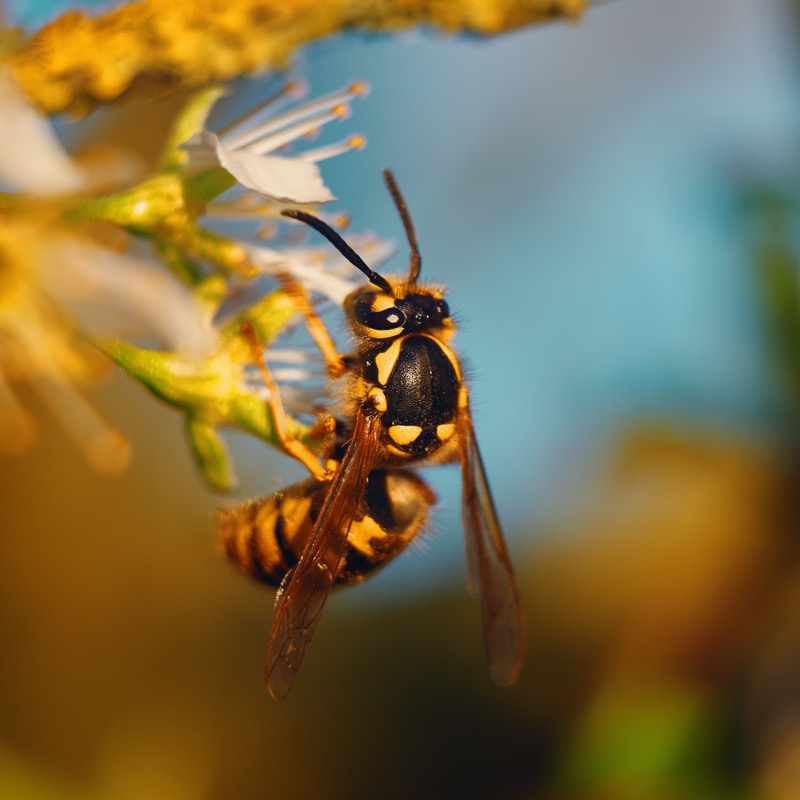
Wasps are the pest most hikers notice first because they do not exactly keep a low profile. Around Millcreek Canyon, you are most likely to run into them near picnic areas, sweet drinks, food wrappers, dog bowls, trash cans, and sunny edges where they can hunt other insects.
A wasp passing through is not a big deal. A nest near a trail sign, deck, shed, roofline, or patio is a different story. Around Utah homes, wasps often use eaves, fence seams, pergolas, playsets, and small wall gaps. If your house backs up to foothill brush or mature landscaping, late spring and summer can get busy fast.
Do not swat like you are conducting a garage-band drum solo. Move calmly, cover food, and give active nests room. If wasps are rebuilding around your home, Thrive’s Utah wasp control service can inspect the nest location and treat the high-risk areas safely.
2. Ants on sunny trail edges and around food crumbs
Ants are everywhere on Utah trails. You will see them on dry soil, around rocks, near picnic tables, and along the edges of packed dirt paths. Most trail ants are doing ant things and do not care about you unless you sit on their route with a granola bar.
At home, the same ant behavior becomes a headache when trails move along foundations, garage thresholds, irrigation lines, kitchen walls, and patio cracks. Store-bought spray can knock down what you see, but it often leaves the source colony alone. Not great. But fixable.
After a canyon hike, shake out blankets, backpacks, and dog gear before tossing them in the mudroom. Around the house, wipe up food spills, seal easy entry points, and watch for repeat trails. If the same trail keeps coming back, Utah ant control is usually a better move than chasing every little line with spray.
3. Spiders in rock walls, brush, garages, and basements
Spiders are common around canyon edges because there is plenty for them to eat. Rock piles, retaining walls, stacked wood, trail bridges, leaf litter, and shaded corners all create good hunting zones. Most spiders outside are just part of the food chain, and they help control other bugs.
The problem starts when spider pressure builds around your house. Utah homes near foothills, creek corridors, and mature landscaping can see more webs around window wells, garages, basement entries, sheds, and storage corners. Black widows are the spider homeowners usually worry about most, especially around quiet, cluttered areas.
Use gloves when moving firewood, bins, patio furniture, or gear that has been sitting outside. Keep storage areas less cluttered. Sweep webs around low-traffic corners. And if you keep finding webs in the same places, Thrive’s Utah spider control service can treat both the spiders and the insect pressure feeding them.
For local pest identification, Utah State University Extension has useful Utah resources through its Plant Health and pest information center.
4. Ticks in brushy pockets and tall grass
Ticks are not the pest every Salt Lake hiker talks about first, but they belong on the list. Brushy trail edges, tall grass, wildlife paths, and shaded vegetation can create tick exposure, especially when you or your dog brush against plants along the trail.
After a hike, do a quick tick check on socks, ankles, waistbands, hats, backpacks, and dogs. Toss hiking clothes into the laundry instead of leaving them in a pile by the garage door. If you use repellent, follow the product label. Boring advice, yes. Also useful.
Ticks are more of a personal safety issue than a structural pest problem, but the habitat lesson matters. Tall grass, overgrown shrubs, leaf litter, and wildlife activity around a yard can increase pest pressure in general. A little cleanup goes a long way here.
5. Boxelder bugs and other seasonal invaders
Boxelder bugs, elm seed bugs, earwigs, and similar seasonal invaders are the kind of pests that seem harmless outside and annoying inside. You may notice them around sunny rocks, tree trunks, fences, and warm exterior surfaces. They are not usually the drama queen pest of the canyon, but they can become a fall headache around homes.
Once weather shifts, these pests look for protected cracks, siding gaps, attic edges, window frames, and wall voids. If they get inside, they may show up around windows on warm winter days. They are not eating your house, but nobody wants bugs dropping onto the windowsill during breakfast.
Seal gaps before fall, repair screens, check weatherstripping, and reduce leaf piles near the foundation. If your home gets repeat seasonal invaders, it may be time for broader Utah pest control built around exterior prevention.
6. Mice and rodent signs near canyon-edge homes
You probably will not see mice sprinting across the trail like they have somewhere important to be. But canyon and foothill areas do support rodents, and that matters for nearby homes. Rodents use brush, rock edges, sheds, garages, wood piles, and utility gaps for cover.
If your home sits near open space, a creek corridor, or a canyon road, fall and winter are the seasons to pay attention. Mice can squeeze through tiny gaps, and garages are an easy first stop. Pet food, birdseed, grass seed, and messy storage give them a reason to stay.
Do not seal a hole if you think animals may be trapped inside. Look for droppings, rub marks, gnawing, shredded material, and repeated sounds in walls or ceilings. If signs keep showing up, call for an inspection instead of playing whack-a-mouse with snap traps forever.
What to do after a Millcreek Canyon hike
You do not need to turn a nice hike into a hazmat drill. Just build a few habits that keep trail pests from becoming house pests.
- Shake out backpacks, blankets, and dog towels outside.
- Check shoes, socks, pant cuffs, and dog fur before getting in the car.
- Do not leave food wrappers, trail snacks, or sticky bottles in the garage.
- Wash hiking clothes if you walked through brush or tall grass.
- Store gear in sealed bins if your garage already has spider or mouse activity.
- Keep firewood, leaf piles, and clutter away from the foundation.
Simple stuff. Not glamorous. But it works.
Why canyon-adjacent homes see more pest pressure
Homes near Millcreek Canyon, the east bench, Big Cottonwood Canyon, and other foothill areas often have the perfect pest mix: mature landscaping, shade, irrigation, rock walls, creek corridors, wood fencing, and plenty of insects. Add a few foundation gaps or a messy garage, and pests do not need an engraved invitation.
That does not mean every foothill home has a serious infestation. It means prevention matters more. A home in Millcreek or Cottonwood Heights may need more attention around exterior edges than a newer home in a drier, more open subdivision.
The U.S. Forest Service maintains information for the Uinta-Wasatch-Cache National Forest, which gives helpful context for the canyon and foothill environment around Salt Lake County. You can also check Salt Lake County resources for current canyon use rules before heading out.
When to call Thrive
Call Thrive if pest activity is repeating around the house, not just showing up once after a hike. A few ants on a trail are normal. Ants coming through the kitchen every week are a different problem. One spider outside is normal. Black widow activity around the garage, shed, or window wells needs attention. One wasp passing through is normal. A nest near the patio or kids’ play area is not something to cowboy your way through.
For Utah homeowners, Thrive can help with general pest control, ants, spiders, and wasps across Salt Lake City, Millcreek, Cottonwood Heights, and nearby Utah service areas. Call (801) 516-9445 if pests are moving from the trail vibe to your actual house. That is where the fun stops.
FAQ
What pests are common around Millcreek Canyon hikes?
Common pests and pest-adjacent issues include wasps, ants, spiders, ticks, boxelder bugs, earwigs, and rodent signs. Most are normal outdoors. The concern is when the same pressure shows up around your home, garage, basement, or patio.
Can pests come home with me after a hike?
Sometimes, but it is usually preventable. Shake out gear, check clothing and dogs, wash trail clothes, and avoid leaving food crumbs or sticky bottles in the car or garage.
Are Utah canyon spiders dangerous?
Most spiders want nothing to do with people. Still, black widows can be a concern around quiet, protected areas like garages, sheds, crawl spaces, and wood piles. Wear gloves when moving stored items and call for help if activity repeats.
Why do I see more wasps after hiking or camping?
Wasps are drawn to food, sweet drinks, trash, and other insects. Picnic areas and patios give them easy food sources. Around homes, they often build nests near eaves, fences, playsets, sheds, and rooflines.
Does Thrive serve Utah homes near Millcreek Canyon?
Yes. Thrive serves Utah customers in Salt Lake City, Millcreek, Cottonwood Heights, and nearby service areas. The Utah service number is (801) 516-9445.
Need Pest Control Help?
Call Thrive with the pest, location, and pattern you have noticed. You do not need a perfect identification first.