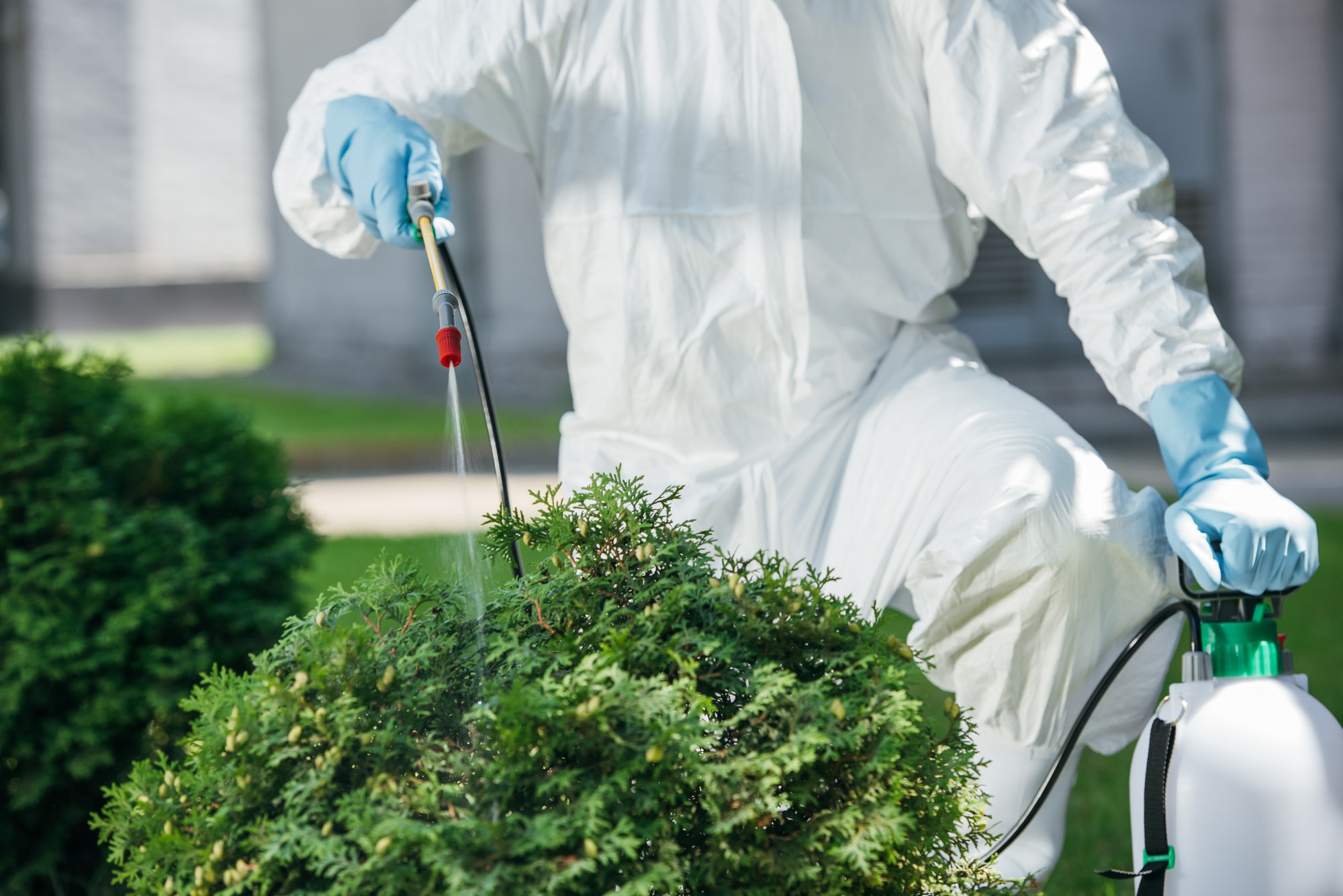
Warehouses are pest magnets. Large open spaces, loading docks that open and close all day, stored goods stacked on pallets, and limited foot traffic in certain areas create ideal conditions for rodents, cockroaches, and stored product pests.
Whether you're running a distribution center, a manufacturing facility, or a storage warehouse, pest problems can mean contaminated inventory, failed audits, and liability issues. Here's how to protect your business.
The Most Common Warehouse Pests
Rodents (mice and rats) are the number one warehouse pest. They gnaw through packaging and contaminate inventory with droppings and urine. They chew wiring, which creates fire hazards. And they reproduce quickly — a single pair of mice can produce 60 or more offspring per year.
Professional mice removal and rat extermination are critical for warehouse environments. You can also learn to identify evidence of rodent activity by reading about what rat droppings look like.
Cockroaches thrive in warehouse break rooms, loading dock areas, and restrooms. They contaminate surfaces and products, and a cockroach exterminator with commercial experience is essential for effective treatment in large spaces.
Stored product pests include beetles, moths, and weevils that infest food products, grain, paper, and other organic materials. They often arrive in shipments from suppliers, and a single infested pallet can spread to your entire inventory.
Birds — pigeons and sparrows in particular — nest in warehouse rafters and create problems with droppings, noise, and contamination. Their droppings are acidic and can damage products, equipment, and building surfaces.
Spiders build webs in storage racks, corners, lighting fixtures, and around windows. While most warehouse spiders are harmless, heavy webbing is unsightly and can be a concern during audits and inspections.
Why Warehouses Are High-Risk for Pest Problems
Commercial buildings face pest pressure that residential properties simply don't experience.
Loading dock doors open frequently. Every time a dock door opens, it creates a direct pathway for pests. Flies, rodents, and other pests can enter in seconds.
Pallets and shipments bring pests from other facilities. Cockroaches, stored product pests, and even rodents can hitchhike on incoming shipments. A pest problem at your supplier becomes your pest problem.
Large interior spaces are hard to monitor. A 50,000-square-foot warehouse with floor-to-ceiling racking has countless hiding spots. Pest activity in a back corner can go unnoticed for weeks.
Temperature variations near dock doors create condensation. The temperature differential between a climate-controlled interior and a hot loading dock creates moisture on surfaces. That moisture attracts insects and rodents.
Warehouse facilities along Nashville's I-40 corridor — in Mt. Juliet, Lebanon, and Hermitage — see particularly high rodent pressure due to proximity to agricultural land and open fields.
Integrated Pest Management (IPM) for Warehouses
IPM is the industry standard for commercial pest control. It's a prevention-first approach that reduces reliance on chemical treatments and focuses on long-term solutions.
Monitoring is the foundation of IPM. Bait stations, pheromone traps, and sticky boards are placed throughout the facility and checked on a regular schedule. These monitoring devices provide early detection of pest activity before it becomes an infestation.
Exclusion means physically preventing pests from entering the building. This includes dock door seals, air curtains at entry points, mesh screens on vents, and sealing gaps around utility penetrations.
Sanitation reduces the food, water, and harborage that pests need to survive. Cleaning schedules, proper waste management, and eliminating standing water are all part of the sanitation component.
Treatment is used only when monitoring indicates that pest activity has crossed a predetermined threshold. Treatments are targeted and specific, applied only where needed rather than broadcast across the entire facility.
Warehouse Pest Control Checklist
Use this checklist as a starting point for your warehouse pest prevention program.
- Install door sweeps and weather stripping on all dock doors
- Seal gaps around utility penetrations (pipes, wires, conduit)
- Store products on racks, not directly on floors
- Rotate inventory using FIFO (first in, first out) to prevent harborage in stagnant product
- Maintain an 18-inch inspection aisle along all walls — this gives technicians access for monitoring and treatment
- Empty and clean dumpsters on schedule — overflowing dumpsters attract rodents and flies
- Keep exterior lighting away from dock doors (use sodium vapor bulbs that attract fewer insects)
- Trim vegetation within 3 feet of the building perimeter
- Fix roof leaks and drainage issues promptly — moisture attracts every pest on this list
- Schedule monthly professional inspections with a licensed commercial provider
Compliance and Documentation
For many warehouse operations, pest control documentation is a regulatory and audit requirement.
FDA, OSHA, and third-party audit programs like SQF, BRC, and AIB all have specific requirements regarding pest management in food storage and distribution facilities.
Your pest control provider should deliver detailed service reports after every visit, including what was inspected, what was found, what actions were taken, and what corrective measures are recommended. These reports need to be readily accessible for inspectors and auditors.
Trend reports that track pest activity over time are increasingly important for audit preparation. They demonstrate that your pest management program is proactive, not reactive.
For food distribution warehouses in Nashville and Salt Lake City, we provide audit-ready documentation that meets SQF and BRC standards.
Choosing a Commercial Pest Control Provider
Not every pest control company is equipped to handle commercial and industrial facilities. Here's what to look for.
Experience with warehouse and industrial environments. Commercial pest control is fundamentally different from residential service. Your provider should have a track record with facilities similar to yours.
24/7 emergency response capability. When you find evidence of a rodent infestation on a Friday afternoon before a Monday audit, you need a provider who can respond immediately.
Licensed, insured, and trained technicians. Commercial accounts require technicians who understand IPM principles, chemical safety in industrial settings, and audit documentation requirements.
Customized IPM programs. One-size-fits-all residential treatments don't work in a warehouse. Your program should be designed specifically for your facility, your products, and your regulatory requirements.
Thrive's commercial pest control division serves warehouses, distribution centers, and industrial facilities across Nashville, Mt. Juliet, Lebanon, Murfreesboro, Millcreek, and the Salt Lake City metro area. We also offer ant removal and termite prevention for commercial properties. Contact us for a facility assessment and customized pest management proposal.
Need Pest Control Help?
Call Thrive with the pest, location, and pattern you have noticed. You do not need a perfect identification first.