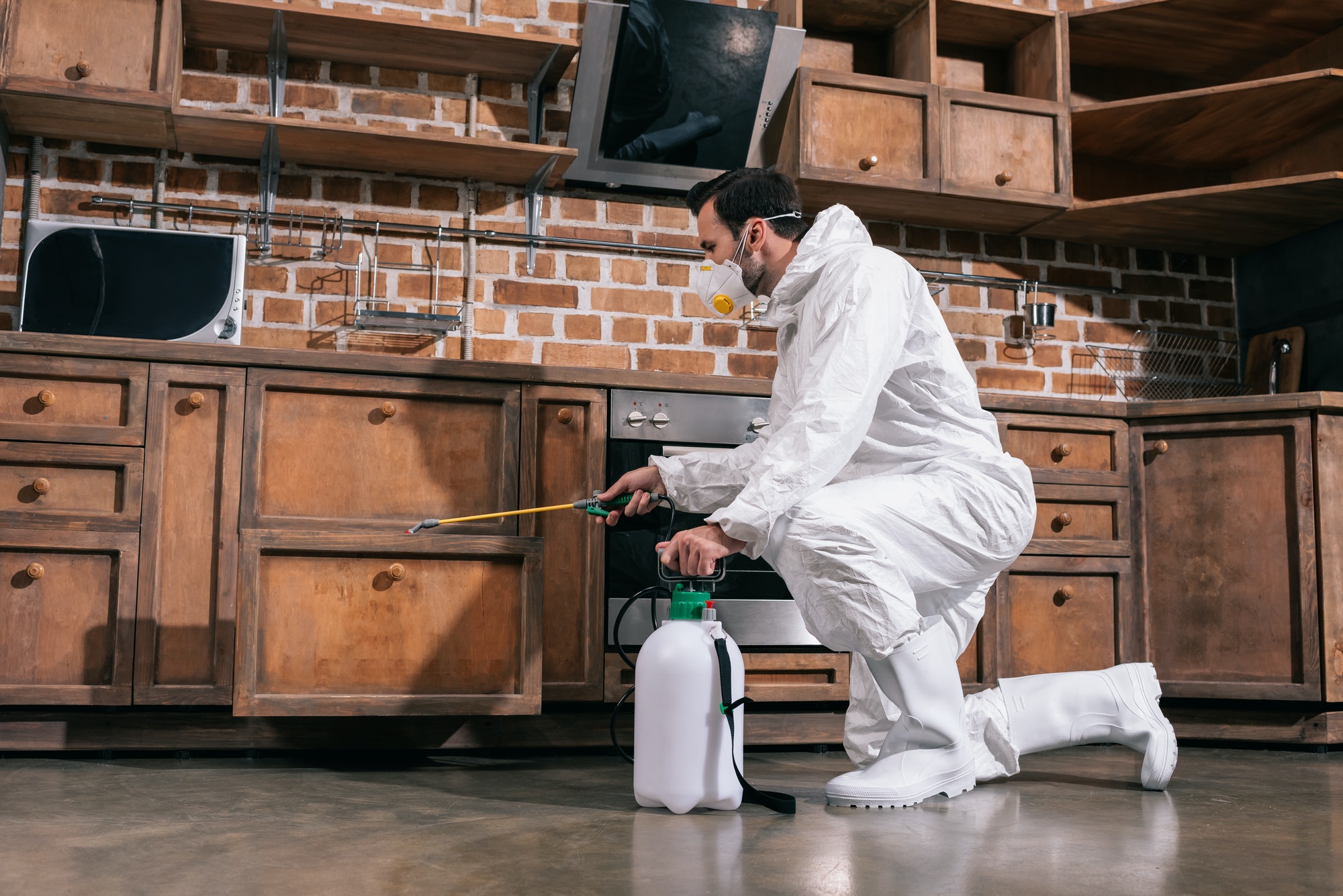
One pest sighting can mean a failed health inspection, a viral social media post, or worse — a temporary closure. Restaurant pest control isn't optional, and it's not something you can handle with a can of spray from the hardware store.
Here's what every restaurant owner and manager needs to know.
What Pests Are Most Common in Restaurants?
Restaurants create ideal conditions for several types of pests. Understanding which ones you're most likely to encounter helps you focus prevention efforts where they matter most.
Cockroaches are the number one restaurant pest. German cockroaches in particular thrive in commercial kitchens because of the constant warmth, moisture, and food availability. They reproduce rapidly and can contaminate food and food preparation surfaces. A cockroach exterminator with commercial experience is essential for addressing these infestations.
Mice and rats are attracted to food storage areas and can cause significant contamination. A single mouse produces 50 to 75 droppings per day, and those droppings end up on shelving, in dry goods, and near food prep areas. Professional mice removal addresses both the population and the entry points.
Flies are a year-round issue in restaurants. House flies, drain flies, and fruit flies are all attracted to different food sources and breeding sites within a restaurant environment.
Ants follow food sources relentlessly. Grease ants in kitchens are a common complaint, and once they establish a trail, they're difficult to eliminate without professional ant removal.
Stored product pests like beetles, moths, and weevils infest dry goods including flour, rice, cereal, and spices. They often arrive in shipments from suppliers and can spread quickly through a pantry.
Health Department Requirements for Pest Control
Both Tennessee and Utah health departments have specific requirements regarding pest control in food service establishments.
You're required to maintain a pest-free environment in all food preparation, storage, and serving areas. That doesn't mean you'll never see a pest — it means you need documented, proactive pest management in place.
Health inspectors look for evidence of pest activity, not just live pests. Droppings, gnaw marks, grease trails, and dead insects all count as violations. They also verify that you have a current pest control service agreement with a licensed provider and that service records are up to date.
Inspections are unannounced. In Nashville and surrounding cities like Franklin, Mt. Juliet, and Murfreesboro, health inspections can happen any time during business hours. You need to be prepared year-round, not just before scheduled reviews.
How Commercial Pest Control Differs from Residential
The products and methods used in a restaurant kitchen are fundamentally different from what a residential technician would apply in your home.
Food-safe treatment products are required in food preparation areas. This means no residual sprays near food prep surfaces, no foggers in kitchen areas, and careful product selection based on the specific environment.
Integrated Pest Management (IPM) is the standard approach for commercial food service. IPM focuses on prevention first — sealing entry points, eliminating food and water sources, monitoring for early signs of activity — and uses chemical treatments only when monitoring indicates a threshold has been crossed.
Service frequency is higher for commercial accounts. Monthly service is the minimum for most restaurants, with weekly service recommended for high-risk environments like commercial kitchens and food storage areas.
Documentation is critical. Every service visit should include a detailed report of what was inspected, what was found, what was treated, and what corrective actions are recommended. These records are reviewed during health inspections and third-party audits.
After-hours service is standard for restaurant accounts. Treatments need to happen when the kitchen isn't active, which usually means early morning, late night, or closed days.
Signs Your Restaurant Has a Pest Problem
The earlier you catch a pest problem, the easier and less expensive it is to resolve. Train your staff to watch for these indicators.
- Droppings near food storage areas, under shelving, or behind equipment
- Gnaw marks on food packaging or cardboard boxes
- Grease marks along walls and baseboards (rodent trails)
- Live insects near drains, dumpsters, or loading dock areas
- Unusual odors — cockroach infestations produce a distinct musty smell
- Customer complaints — this is the worst way to find out, but it happens
How to Prevent Pest Problems in Your Restaurant
Prevention is always cheaper than treatment. These practices should be part of your daily operations.
1. Seal all exterior entry points. Inspect the building perimeter quarterly and seal any gaps around doors, windows, pipes, and utility lines.
2. Install air curtains at delivery doors. Air curtains create a barrier of moving air that flying insects can't easily cross. They're especially effective at loading dock entrances.
3. Store all food 6 or more inches off the floor. Health code requires this, and it also eliminates ground-level harborage for rodents and insects.
4. Empty and clean grease traps on schedule. Overflowing or poorly maintained grease traps attract cockroaches, flies, and rodents.
5. Manage the dumpster area. Keep lids closed, schedule regular pickup so bins don't overflow, and clean the dumpster pad regularly. The area around your dumpster is often the starting point for pest problems.
6. Train staff on pest reporting procedures. Every team member should know what to look for and who to report it to. Early detection makes all the difference.
7. Schedule regular professional inspections. Don't wait for a problem to develop. Monthly inspections catch issues before they become violations.
Choosing a Pest Control Partner for Your Restaurant
Not every pest control company is equipped to handle commercial food service accounts. Here's what to look for.
Make sure they have specific experience with restaurants and food service environments. Residential pest control techniques don't translate directly to commercial kitchens.
Verify that they provide the documentation you need for health inspections and third-party audits. Service records should be detailed, dated, and readily accessible.
Ask about emergency response times. When you find evidence of a pest problem on a Friday night before a busy weekend, you need a provider who can respond quickly.
Thrive's commercial pest control program is designed for restaurants, warehouses, and food service businesses across Nashville and Salt Lake City. We provide IPM-based programs with full documentation and flexible scheduling that works around your operating hours.
Need Pest Control Help?
Call Thrive with the pest, location, and pattern you have noticed. You do not need a perfect identification first.