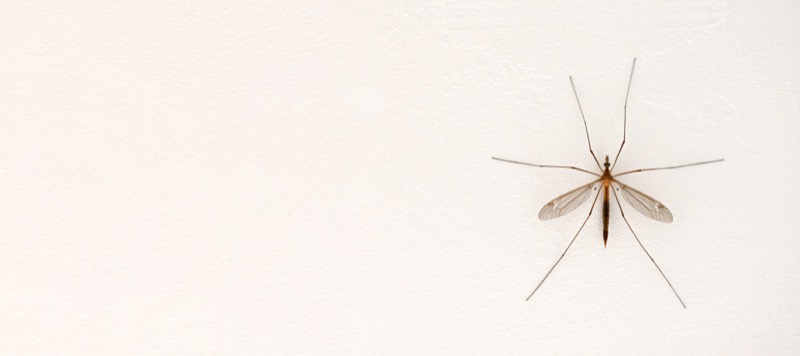
Nothing ruins a backyard cookout faster than mosquitoes. But spraying yourself with repellent isn't a real solution. That just makes you less appealing than the person standing next to you. The real fix starts with your yard.
Here's how to make your outdoor space a place mosquitoes don't want to be.
Why Your Yard Has a Mosquito Problem
Mosquitoes don't just show up randomly. They breed and feed in specific conditions, and most yards provide exactly what they need.
Standing water is the big one. Mosquitoes lay their eggs in standing water, and they don't need much. A bottle cap full of water is enough to support mosquito larvae. A clogged gutter or a forgotten plant saucer can produce hundreds of mosquitoes per week.
Tall grass and overgrown vegetation give adult mosquitoes a place to rest during the heat of the day. They're weak fliers and need shaded, humid areas to conserve energy between feedings.
Proximity to creeks, ponds, or drainage ditches increases mosquito pressure significantly. If your property borders standing or slow-moving water, you're going to deal with more mosquitoes than your neighbors.
In Nashville's humid summers, mosquito season runs from April through October. Salt Lake City homeowners see a shorter but intense season from June through September.
Where Do Mosquitoes Breed in Your Yard?
Take a walk around your yard and check each of these. You'll probably find at least two or three you hadn't thought about.
- Clogged gutters — leaves trap water and create perfect breeding pools
- Plant saucers and bird baths — change the water at least twice a week
- Kids' toys that collect water — wagons, play kitchens, buckets
- Old tires, buckets, and tarps — even small depressions hold enough water
- Tree holes and stumps — natural water collectors
- French drain endpoints — standing water at discharge points
- Corrugated downspout extensions — water sits in the ridges
- Pet water bowls left outside — change daily
The key is consistency. Even if you eliminate standing water today, rain refills these spots quickly. Make it a weekly habit to walk your property and dump or drain anything holding water.
Natural Mosquito Control Methods
Before reaching for chemicals, start with these prevention-first approaches.
Remove all standing water weekly. This is the single most effective thing you can do. No standing water means no mosquito larvae.
Use mosquito dunks for water features you can't drain. Mosquito dunks contain Bti, a naturally occurring bacteria that kills mosquito larvae but is safe for fish, birds, pets, and humans. Drop them in ponds, rain barrels, and ornamental fountains.
Plant natural repellents. Citronella, lavender, marigolds, and rosemary all have mosquito-repelling properties. They won't eliminate mosquitoes on their own, but they can help reduce activity in specific areas like patios and seating areas.
Attract natural predators. Bats can eat up to 1,000 mosquitoes per night. Installing a bat house near your property line encourages bats to patrol your yard. Dragonflies and purple martins are also effective mosquito predators.
You can also learn about scents that repel mosquitoes for additional natural approaches.
Professional Mosquito Yard Treatments
When prevention alone isn't enough — and for many Nashville-area properties, it isn't — professional treatments can make a dramatic difference.
Barrier spray treatments are the most common professional approach. A technician applies a residual product to foliage, fence lines, tree trunks, and other areas where mosquitoes rest. The treatment kills mosquitoes on contact and continues to repel them for several weeks.
Misting systems are a more permanent solution for properties with severe mosquito problems. These automated systems release timed applications of mosquito treatment throughout the day.
Larvicide treatments target standing water that can't be eliminated, like drainage features or low-lying areas that collect rainwater.
Most professional mosquito programs operate on a 21-day treatment cycle during peak season. Thrive's mosquito treatment program covers your entire yard including fence lines, tree lines, and landscaping beds.
Mosquito Control Tips by Yard Type
Large suburban lots common in Franklin, Brentwood, and Thompson's Station often have wooded borders and natural drainage that harbor mosquitoes. These properties benefit most from full-perimeter barrier treatments.
Smaller urban yards in Nashville, Midvale, and Murray have less vegetation but more shared fencing and adjacent properties to consider. Targeted treatments around patios and seating areas are usually sufficient.
Properties near water features face the biggest challenge. If your yard borders a creek, pond, or retention basin, you'll need more frequent treatments and aggressive standing water management.
Commercial outdoor spaces like restaurant patios and event venues need scheduled treatments timed around their busiest periods. A mosquito-free outdoor dining experience doesn't happen by accident.
When to Start Mosquito Treatment
The most common mistake homeowners make is waiting until mosquitoes are already bad before taking action. By then, populations have established and you're playing catch-up.
Start treatments in early spring, before peak season hits. In Nashville, that means March or April. In Salt Lake City, treatments typically begin in May.
Monthly treatments during peak season provide consistent protection. Event-based treatments are also available if you're hosting an outdoor gathering and want targeted protection for that day.
Schedule your first mosquito treatment before the season hits. We cover Nashville, Franklin, Brentwood, and all of Middle Tennessee — plus Salt Lake City and the Wasatch Front.
Frequently Asked Questions
How long does a yard mosquito treatment last?
Most professional barrier treatments last 21 to 30 days, depending on weather conditions. Heavy rain can reduce the effective life of a treatment, which is why most programs operate on a regular schedule throughout mosquito season.
Is mosquito yard spray safe for pets?
Professional mosquito treatments are generally safe for pets once the product has dried, which typically takes 30 to 60 minutes. Your technician will advise you on the specific dry time for your treatment. Keep pets inside during application and until the product dries.
What time of day is best to spray for mosquitoes?
Early morning and late afternoon are the most effective times for mosquito treatments. These are the periods when mosquitoes are most active and most likely to be resting on treated surfaces. Midday treatments can be less effective because mosquitoes retreat to deeper shade during the hottest hours.
Need help beyond the article?
If the signs around your property match what you are reading, you can review the related service or call Thrive with the details you have.